Ticket Giveaway Promotions: Run One or Win One
Ticket Giveaway Promotions: Run One or Win One
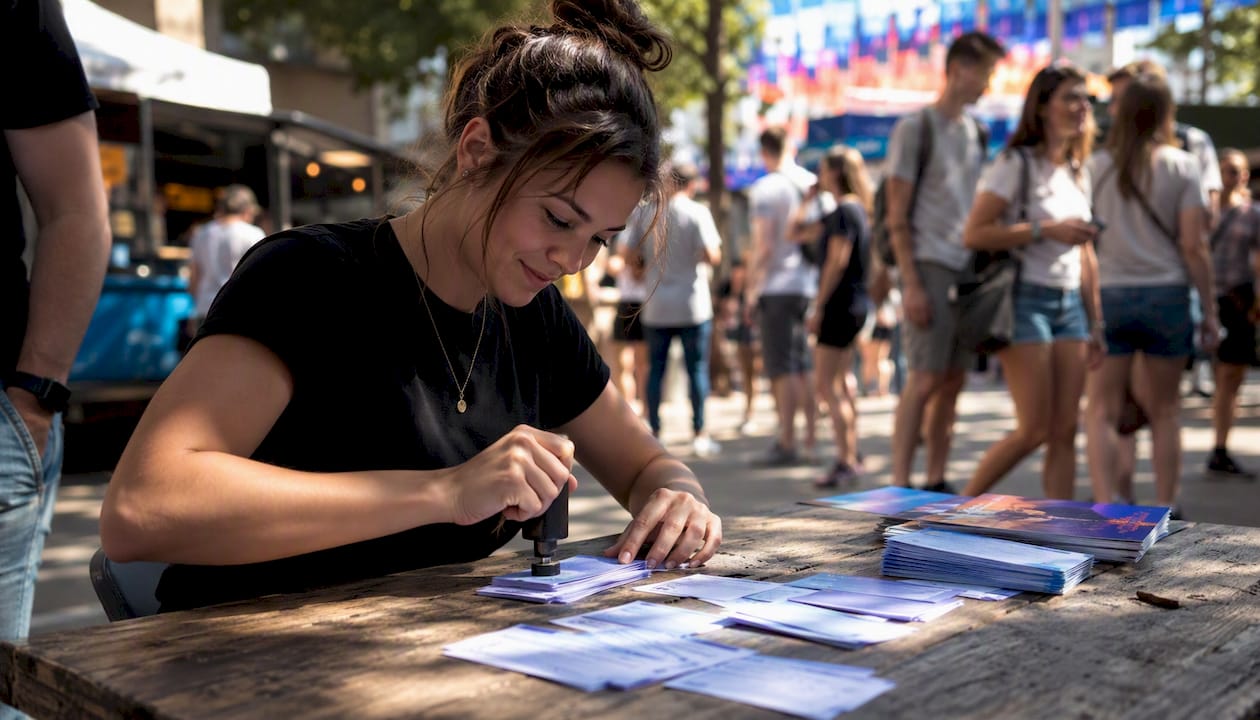
The most effective ticket giveaway promotions right now are social sweepstakes (random draw), email sign-up draws, partner cross-promos, UGC photo/video contests, and early-bird raffles. Each format serves a different goal, and picking the wrong one wastes your budget and your audience’s attention.
Which format fits your goal?
- 🎯 Social sweepstakes (follow + comment to enter): best for raw reach and follower growth
- 📧 Email sign-up draws: best for building a list you actually own and can remarket to
- 🤝 Partner cross-promos (venue, local business, or media tie-in): best for reaching a warm, pre-qualified audience fast
- 📸 UGC/photo contests: best for generating authentic content and deeper engagement
- 🎟️ Early-bird raffles: best for converting interest into paid ticket sales alongside the free prize
If you want to enter a giveaway right now: check local radio station giveaway pages, public media outlets like WFUV’s free tickets page, and event discovery platforms in your area. New drops happen daily.
If you want to launch one: draft your official rules and AMOE (Alternative Method of Entry) first. Everything else follows from that.
Key Takeaways
The most effective ticket giveaway promotions combine a legally sound AMOE, clear FTC disclosures, and a channel strategy matched to your specific goal, whether that’s reach, list growth, or direct ticket sales.
| Point | Details |
|---|---|
| AMOE is non-negotiable | Every sweepstakes needs a free entry path that’s as easy to use as the paid option. |
| State registration triggers | NY and FL require filing and bonding when total prize ARV exceeds $5,000; RI triggers at $500 for retail promotions. |
| FTC disclosure language | Use the full words “Sweepstakes” or “Contest” and name the sponsor in every post and caption. |
| Match format to goal | Social sweepstakes build reach; email draws build lists; early-bird raffles convert interest to ticket sales. |
| Eventhound for visibility | Listing your giveaway on Eventhound connects it to local audiences actively searching for events near them. |
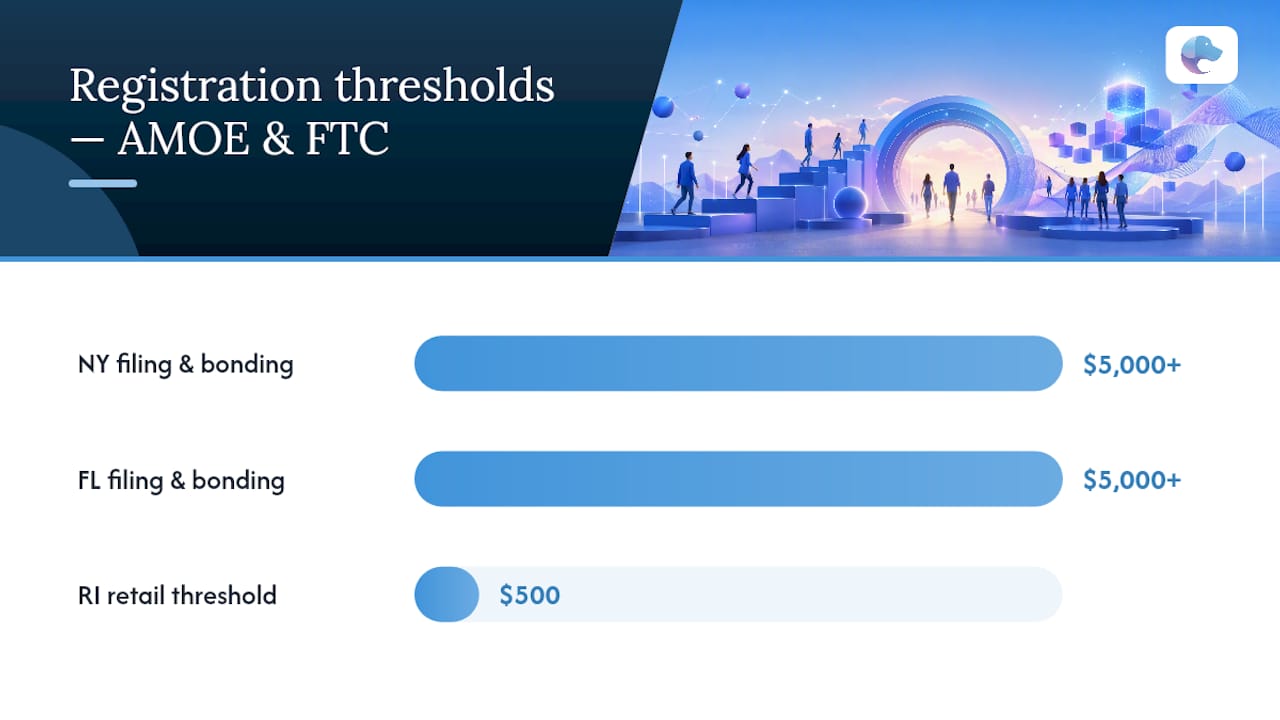
Table of Contents
- What are the best ticket giveaway ideas for your campaign goal?
- How do you run a ticket giveaway from start to finish?
- What legal and platform rules do U.S. organizers need to follow?
- Where should you run and promote your giveaway?
- How do you measure success and avoid the pitfalls that kill promotions?
- Ready-to-use templates and examples you can copy
- The local-events angle most organizers miss
- Eventhound makes your giveaway visible to the right local audience
- Sources
What are the best ticket giveaway ideas for your campaign goal?
Not every free entry promotion is built the same. The format you choose should match what you actually need: more eyeballs, a bigger email list, or butts in seats. Here’s a practical look at the most proven formats.
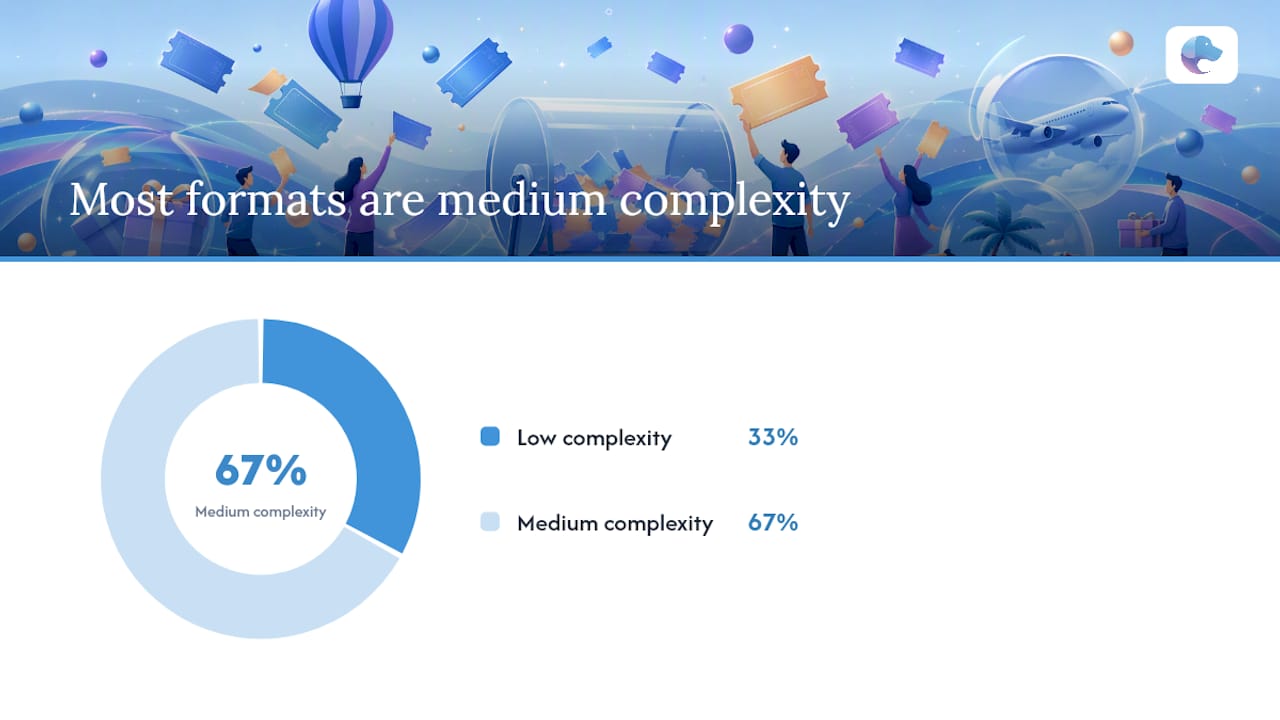
| Giveaway Idea | Best Goal | Complexity | One-Line Tip | Quick Example |
|---|---|---|---|---|
| Social sweepstakes (follow + comment) | Reach / followers | Low | Pin the entry post and include a clear hashtag like #YourEventSweepstakes | Local music venue posts “follow us and tag a friend to win two tickets” |
| Email sign-up draw | List growth | Low | Use a dedicated landing page; connect to your CRM on day one | Festival runs a landing page: enter your email for a chance at VIP passes |
| Partner cross-promo | Warm reach | Medium | Co-brand the prize; each partner promotes to their own list | Bar + local band swap: bar promotes the show, band promotes the bar’s special |
| UGC/photo contest | Engagement + content | Medium | Require entrants to include disclosure language in their post caption | “Post your best concert photo with #ShowNameContest — winner gets two tickets” |
| Instant-win flash tickets | Urgency / conversion | Medium | Time-gate the window (e.g., 2 hours only) and use a verified RNG | Flash drop: first 50 correct answers to a trivia question win a ticket code |
| Radio/public media tie-in | Trust + broad reach | Medium | Provide the station with a ready-to-read rules script and a listener AMOE | Station announces giveaway on air; listeners call or text to enter |
| Early-bird raffle | Direct ticket sales | Low | Bundle: buy a ticket, get one raffle entry; AMOE required for non-buyers | Theater sells early-bird tickets; one buyer wins a backstage experience |
| Flash app-only drop | App downloads / loyalty | High | Geo-target the notification; limit entries per device | Event app sends push: “First 100 to tap win a free ticket — 10 minutes only” |
A few things worth knowing before you pick your format. UGC contests create a compensated-endorsement obligation for every entrant, per 2026 sweepstakes compliance guidance. Build the required disclosure language directly into your entry instructions and reserve the right to disqualify non-compliant submissions. For early-bird raffles, the AMOE must give non-buyers a genuinely equal shot at winning, not a buried mail-in address that takes three extra steps to find.
Radio tie-ins remain one of the most underused formats for local event organizers. A station with a loyal morning-drive audience delivers trust that a paid Instagram ad rarely matches, and the station’s own giveaway page handles much of the rules-display work for you.
How do you run a ticket giveaway from start to finish?
Follow this checklist in order. Skipping steps two or three is where most organizers get into trouble.
- Set your goal and success metric. Decide before anything else: are you chasing email signups, social followers, or direct ticket conversions? Your goal determines your entry mechanic.
- Define the prize and its Approximate Retail Value (ARV). ARV drives your legal obligations. Two tickets to a $75-per-seat show = $150 ARV. A VIP package with travel = potentially thousands. Know the number.
- Draft your official rules. Include eligibility, entry dates, ARV, odds statement, AMOE instructions, sponsor identity, winner notification timeline, and tax responsibility. Rules must be live and linked everywhere the promotion appears. See the ACC Corporate Counsel Now guide for a full list of required terms.
- Design your AMOE. A single email or short web form labeled “No purchase necessary” is enough. The AMOE must be as easy to use as the paid entry path. Hiding the mail-in address or adding extra steps effectively reintroduces consideration, which can make your promotion an illegal lottery under state law. The Womble Bond Dickinson gaming guide is clear on this point.
- Check state registration and bonding requirements. If your total prize ARV exceeds the registration thresholds set by New York and Florida, you must register and bond before launching. Rhode Island has a separate threshold for certain retail promotions that triggers registration requirements. Filing takes time, so build in at least two to three weeks of lead time for those states. Full threshold details are in the legal section below.
- Set up your entry collection system. A dedicated landing page with UTM parameters lets you track entries by channel. Connect it to your CRM or email platform on day one.
- Choose your winner-selection method. Options include:
- Random draw via auditable RNG: Random generates verifiable results you can screenshot and archive. Best for sweepstakes.
- Judge-scored skill contest: Requires defined judging criteria published in the rules. Best for UGC or photo contests.
- Instant-win mechanism: Pre-seeded winning moments or codes. Requires careful prize-pool management.
- Run the promotion and document entries. Export your entry list at close. Keep a timestamped record of every entry pool used for the draw.
- Select and notify the winner. Contact via the method listed in your rules (usually email). Give a clear claim deadline, typically 5–10 business days. Have an alternate winner ready if the first does not respond.
- Handle taxes and reporting. Prizes valued at $600 or more generally require a 1099-MISC. Consult a tax professional for prizes that include travel, experiences, or bundled goods.
Timeline template (working backward from launch):
- 4+ weeks out: Draft rules, confirm ARV, check state registration triggers
- 3 weeks out: File registration/bonding if NY, FL, or RI thresholds are met
- 2 weeks out: Finalize entry page, AMOE, and partner agreements
- 1 week out: Schedule social posts, brief influencers with disclosure requirements
- Launch day: Go live, post rules link everywhere the promotion appears
- Close day: Export entries, run draw, document results
- Winner day: Notify winner, post winner announcement, archive all records
Pro Tip: Save a timestamped screenshot of your Random.org draw result alongside the exported entry list. If a winner disputes the result or a regulator asks, you have audit-ready proof in under 30 seconds.
What legal and platform rules do U.S. organizers need to follow?
This is the section most organizers skim and later regret. Get these right before you post anything.
The lottery test: prize, chance, and consideration
A promotion becomes an illegal lottery when it combines all three elements: a prize, determined by chance, and consideration (something of value the entrant must give, like a purchase). Removing consideration is the fix. Most states consider a sweepstakes legal only when an accessible AMOE gives every entrant an equal opportunity to win, regardless of whether they bought anything.
State registration and bonding thresholds
These are strict-liability triggers: if your prize value crosses the threshold and you haven’t filed, you’re exposed to penalties regardless of intent. Build the filing window into your production calendar.
FTC disclosure requirements
The FTC’s Endorsement Guides require clear and conspicuous disclosure whenever there’s a material connection between a promoter and an entrant or partner. For ticket giveaways, that means:
- Use the full words “Sweepstakes” or “Contest” in posts and captions, not just a hashtag
- Name the sponsor explicitly (“Sponsored by [Your Brand]”)
- Place the disclosure where it’s visible without clicking “more” or scrolling past the image
- For UGC entries, require entrants to include disclosure language in their own posts as a condition of entry
Vague tags or buried hashtags fail the standard, and the sponsor bears responsibility for non-compliant influencer or entrant posts.
Platform rules (Instagram and Facebook)
Per Venable’s sweepstakes compliance guide, both platforms prohibit:
- Like-gating (requiring a like as the sole entry method)
- Requiring entrants to share the post to their personal timeline as a condition of entry
- Tagging friends as a mandatory entry step (suggesting tagging is fine; requiring it is not)
Every promotion run on Meta platforms must include: “This promotion is in no way sponsored, endorsed, or administered by, or associated with Instagram/Facebook.”
The FTC has enforced against deceptive sweepstakes mechanics and dark-pattern entry flows, returning consumer funds and imposing sanctions where promotions misled entrants about entry requirements or odds. The risk is real and documented.
Compliance in 2026 is more demanding than it was two years ago. The 2026 Sweepstakes & Promotions Compliance Guide flags intensified FTC enforcement on social promotions, expanded state AG activity, and growing attention to data-privacy obligations for entry data. If you collect email addresses or phone numbers during entry, your privacy notice must be accessible and you should be prepared to honor data subject rights for residents of applicable states.
Where should you run and promote your giveaway?
Channel choice shapes who enters and how many. Here’s how to think about it.
For maximum reach:
- Organic social (Instagram, Facebook, TikTok): high volume, low cost, but algorithm-dependent
- Paid social (boosted posts or targeted ads): reliable reach to a defined demographic; even a $50–$100 boost on a well-targeted post can dramatically expand entry volume
- Radio/public media: high trust, older demographic, strong for community events
For list growth:
- Email sign-up landing pages: every entry adds a contact you own; pair with a CRM like Mailchimp or Klaviyo for instant segmentation. Eventhound’s email marketing playbook for events covers how to structure these campaigns for local organizers.
- Partner email blasts: a local business or venue with 5,000 engaged subscribers can outperform a paid ad at zero media cost
For conversion to paid tickets:
- Venue and box office lists: warm audiences who already know the event
- Early-bird raffle mechanics: tie the raffle entry to a ticket purchase to drive both simultaneously
Combining paid and organic: Run your organic post first. If engagement is strong in the first 24 hours, boost it to a lookalike audience. This approach lets the algorithm signal quality before you spend money.
Pro Tip: Use a single, clean hashtag for every giveaway (e.g., #RiverFestContest2026) and include it in every post, story, and partner mention. It creates a searchable thread of entries and makes moderation far easier when you’re reviewing UGC submissions.
Caption example (compliant):
🎟️ SWEEPSTAKES — Win 2 tickets to [Event Name]! Follow us and drop a comment below to enter. No purchase necessary. Ends [Date]. Sponsored by [Brand]. Full rules at [link]. Not affiliated with Instagram.
Local partners and media add something paid ads can’t buy: credibility. A neighborhood coffee shop, a local arts organization, or a community radio station vouching for your event signals to their audience that it’s worth showing up for.
How do you measure success and avoid the pitfalls that kill promotions?
KPIs worth tracking
- New email signups (primary for list-growth campaigns)
- Social reach and engagement rate (impressions, shares, comments)
- Conversion to paid tickets (track with UTM parameters on every entry link)
- Cost per acquired lead (total spend divided by new contacts)
- Prize fulfillment rate (were winners notified and prizes delivered on time?)
Set up a simple tracking stack: UTM-tagged entry links, a dedicated landing page, and your CRM or email platform. That combination gives you a clear picture of which channel drove entries and which drove actual ticket buyers.
Common pitfalls and how to avoid them
Deceptive UX and dark patterns. Hiding the AMOE, pre-checking opt-in boxes, or making the “free entry” path harder than the purchase path are all FTC enforcement targets. The FTC’s sweepstakes enforcement record shows these aren’t hypothetical risks. Keep every path equally visible and equally easy.
Fake and bot entries. Add a CAPTCHA or a simple verification step to your entry form. Flag entries with duplicate IP addresses or identical submission timestamps for manual review before the draw.
Failure to register when required. If your prize ARV crosses the NY/FL $5,000 or RI $500 threshold and you haven’t filed, you’re exposed. No amount of good intentions fixes a missed filing deadline.
Influencer non-compliance. Brief every influencer or partner in writing. Provide the exact disclosure language they must use and make compliance a contractual condition. Keep a copy of every post they publish.
Poor winner documentation. If a winner disputes the result or a state regulator audits your promotion, you need a timestamped entry list, a documented draw process, and written winner notification records.
Pro Tip: Create a shared folder before launch with three files: (1) the exported entry list at close, (2) a screenshot of the winner-selection draw with timestamp, and (3) the winner notification email with sent timestamp. That’s your audit package. It takes five minutes to assemble and can save you significant headaches.
Ready-to-use templates and examples you can copy
Official rules checklist (required fields)
- Sponsor identity: Full legal name and address of the organizing company
- Eligibility: Age (18+ or 21+ depending on venue), U.S. residency, employee exclusions
- Entry period: Exact start and end dates and times, including time zone
- How to enter: Step-by-step entry instructions, including the AMOE path
- AMOE instructions: “No purchase necessary. To enter without purchase, [email/mail instructions here].”
- Prize description and ARV: Exact prize, its approximate retail value, and any restrictions
- Odds statement: “Odds of winning depend on the number of eligible entries received.”
- Winner selection: Method (random draw, judged), date, and who conducts it
- Winner notification: How and when winners will be contacted; claim deadline
- Tax responsibility: “Winner is responsible for all applicable federal, state, and local taxes.”
- Platform release: “This promotion is not sponsored, endorsed, or administered by Instagram/Facebook.”
- Governing law: State whose law governs the promotion
Public media outlets like WFUV publish their giveaway rules in exactly this format, which makes them a useful model for how to present terms clearly and accessibly.
Winner notification email script
Subject: You won! Claim your [Event Name] tickets
Hi [First Name],
Congratulations! You’ve been selected as the winner of the [Promotion Name] sweepstakes, sponsored by [Brand Name]. You’ve won [Prize Description] (ARV: $[Amount]).
To claim your prize, please reply to this email with [required info, e.g., mailing address or preferred ticket delivery method] by [Claim Deadline Date]. If we don’t hear from you by that date, an alternate winner will be selected.
Thank you for entering, and we can’t wait to see you at [Event Name]!
[Brand Name] Team
Three sample social posts
Post 1 (Instagram — sweepstakes):
🎟️ SWEEPSTAKES: Win 2 tickets to [Event]! Follow us + comment your favorite song below. No purchase necessary. Ends [Date] at 11:59 PM ET. Sponsored by [Brand]. Rules at [link]. Not affiliated with Instagram.
Post 2 (Facebook — partner cross-promo):
🎉 CONTEST: [Brand] and [Partner] are giving away a pair of VIP tickets to [Event]! Like both pages and tell us why you deserve the VIP experience. Sponsored by [Brand] and [Partner]. No purchase necessary. Full rules: [link]. Not affiliated with Facebook.
Post 3 (Twitter/X — flash drop):
⚡ FLASH SWEEPSTAKES: RT this post and follow us for a chance to win 2 tickets to [Event]. Ends in 2 hours. Sponsored by [Brand]. No purchase necessary. Rules: [link]. #Sweepstakes
One-week promotional timeline
| Day | Task |
|---|---|
| Day 1 (Monday) | Launch entry page; post announcement on all channels; email your list |
| Day 2 | Partner posts go live; boost top-performing organic post |
| Day 3 | Mid-week reminder post (story/reel format); check for fake entries |
| Day 4 | Share UGC entries (with permission); post engagement-driving question |
| Day 5 | “Last days” urgency post; send reminder email to non-openers |
| Day 6 | Final day reminder; close entries at stated time; export entry list |
| Day 7 | Run draw; notify winner; post winner announcement; archive records |
The local-events angle most organizers miss
Here’s a perspective worth sitting with: the most viral ticket giveaways aren’t the ones with the biggest prizes. They’re the ones that feel like they belong to a specific community.
A national brand can give away Super Bowl tickets and generate millions of impressions. But a local music venue giving away two tickets to a sold-out Friday night show, promoted through a neighborhood coffee shop’s Instagram and a community radio station, will generate something more valuable for most organizers: a room full of people who already wanted to be there.
The tactical implication is real. If you’re a small organizer, your highest-leverage move isn’t a paid ad campaign. It’s identifying two or three local businesses whose audiences overlap with yours and proposing a cross-promotional swap. You promote their happy hour special; they promote your giveaway. No media spend, no agency, just two audiences discovering each other.
Timing matters more than most guides admit. A giveaway announced six weeks before an event builds anticipation. The same giveaway announced three days before the show creates urgency. Both work, but for different goals. The six-week version grows your list. The three-day version fills empty seats.
One more thing: list your giveaway wherever your audience already looks for things to do. A giveaway buried on your own website competes with everything else on the internet. A giveaway listed on a local discovery platform, where people are actively searching for events near them, meets the audience at the moment they’re already in discovery mode. That’s a fundamentally different conversion environment.
Eventhound makes your giveaway visible to the right local audience
Running a great ticket giveaway is only half the equation. The other half is making sure the right people actually see it.
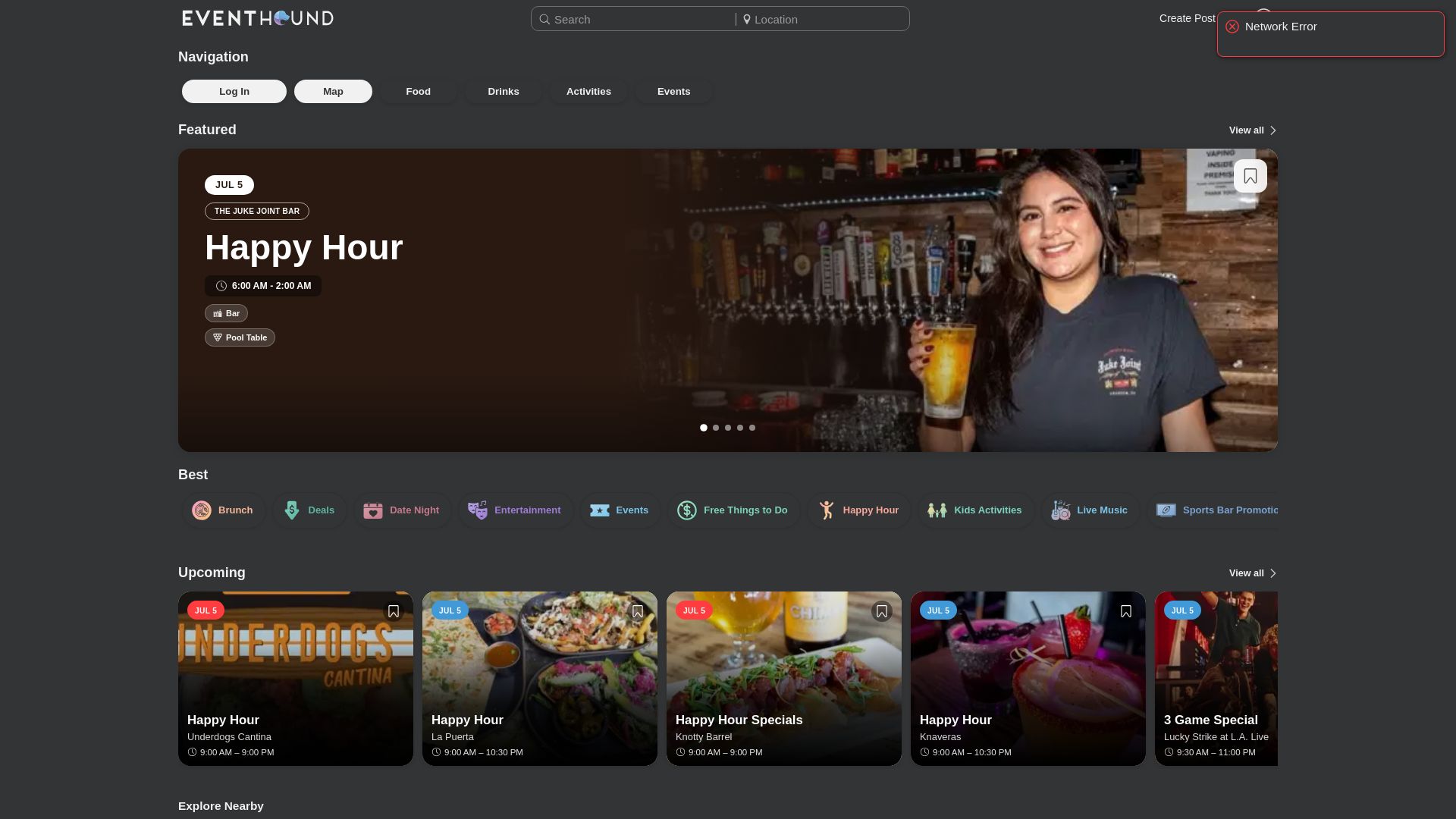
Eventhound is built for exactly this moment. When you list your event on Eventhound, your giveaway details reach people who are actively searching for things to do nearby, not just scrolling past an ad. The platform’s AI matches your event to users based on location, preferences, and what’s happening right now in their area. That means your free entry promotion lands in front of people who are already primed to care about it.
For organizers, claiming your business on Eventhound gives you a promotional home base: a place to post your giveaway, link your entry page, and stay visible between events. Promoted placements put your listing at the top of local search results when it matters most. Add your giveaway details, link to your official rules, and let Eventhound’s local discovery engine do the distribution work.
Sources
The following sources were used to build this guide. Bookmark the ones relevant to your situation.
- Gaming guide: online contests (Womble Bond Dickinson, 2025)
- Sweepstakes, Contests, and Other Types of Giveaways in the Digital Era (Venable)
- FTC’s Endorsement Guides: What people are asking
- 2026 Sweepstakes & Promotions Compliance Guide
When to consult legal counsel: If your total prize ARV triggers state registration in NY, FL, or RI; if your promotion involves international entrants; if your prize structure includes travel, alcohol, or regulated goods; or if you’re running a skill contest with judging criteria, get a sweepstakes attorney involved before you launch. The filing and bonding process alone can be complex enough to warrant professional guidance.
This article is general information, not a substitute for advice from a qualified lawyer. Consult a qualified legal professional about your own circumstances before acting on anything here.