Things to Do With Family Near Me: California Guide
Things to Do With Family Near Me: California Guide
TL;DR:
- Family outings should combine one anchor activity with flexible planning to ensure enjoyment for all ages. Collaborating with family members, limiting activities per day, and building in transition time help prevent exhaustion and conflict. Small local adventures and spontaneous discoveries create memorable family stories without the need for long trips or big budgets.
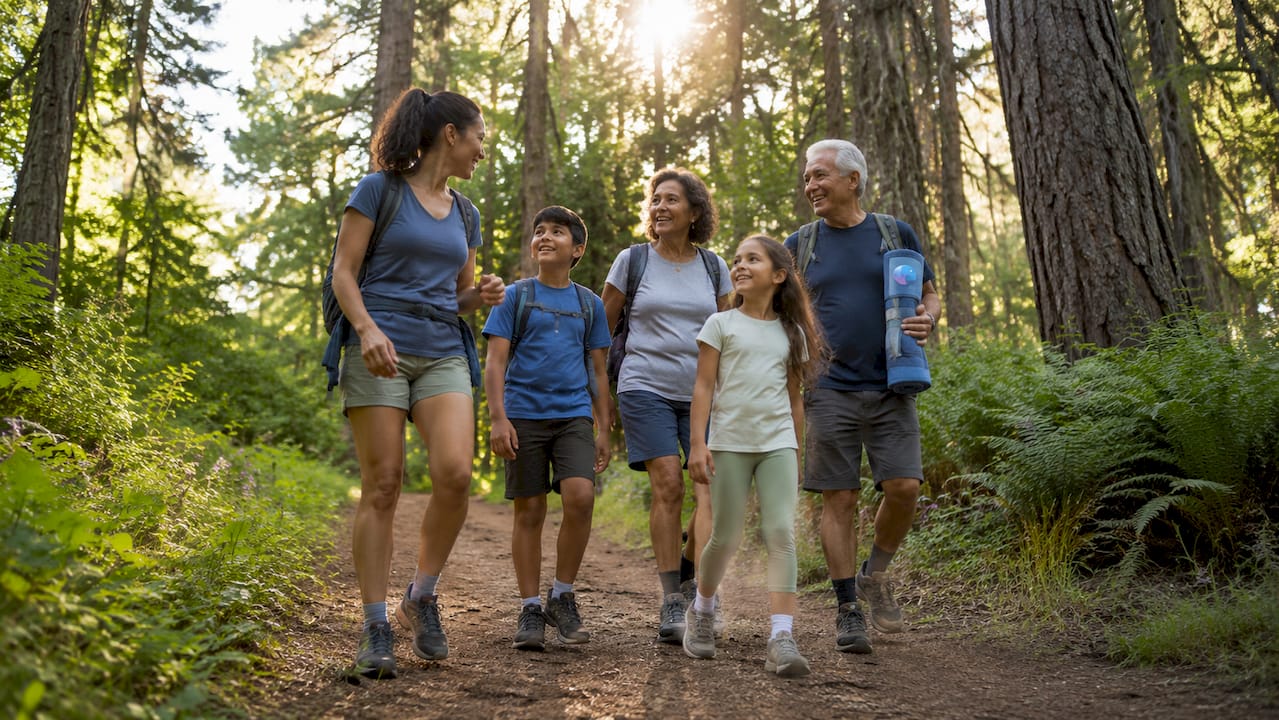
The best things to do with family near me combine active, sensory-rich experiences with built-in flexibility so every age group stays engaged. California families have an extraordinary range of options, from coastal tide pools to mountain trails to urban food markets. The challenge is not finding activities. It is choosing the right mix and planning them well enough that everyone actually enjoys the day. Research-backed strategies around collaborative planning, pacing, and activity variety make the difference between a great outing and an exhausting one.
How to find and plan the best things to do with family near me
Good family planning starts with input from every family member, not just the adults. Children aged 8–12 significantly influence family activity choices, preferring sensory-rich and experiential activities over passive or purely educational ones. That means asking kids directly what they want to do produces better outcomes than surprising them with a plan they did not help create.
Once you have a list of ideas, narrow your sources. Limiting local event sources to one or two trusted newsletters prevents information overload and keeps planning manageable. California families can use curated local event calendars, community boards, or AI-powered platforms like Eventhound to filter options by location, age group, and date.
Build your itinerary around one anchor activity per day. Families with kids under 8 benefit most from no more than two major activities on a weekend day to maximize enjoyment and minimize exhaustion. Stacking too many events into one day is the fastest way to turn a fun outing into a meltdown.
Start planning weekend trips 4–6 weeks in advance and book time-specific activities 2–3 weeks out. This window gives you flexibility to adjust without losing access to popular spots. California’s most visited parks, museums, and events often require advance reservations, especially on weekends.
Pro Tip: Build a “maybe list” of three to five backup activities each week. If your first choice sells out or the weather turns, you have ready options without scrambling.
1. Outdoor adventures at parks, trails, and beaches
California’s outdoor options are unmatched for families. State parks like Point Reyes National Seashore, Joshua Tree, and Griffith Park offer trails scaled to every fitness level. Coastal families can explore tide pools at Crystal Cove State Park in Orange County or Fitzgerald Marine Reserve near San Francisco. These low-cost, high-engagement settings work especially well for young children who need space to move and explore freely.
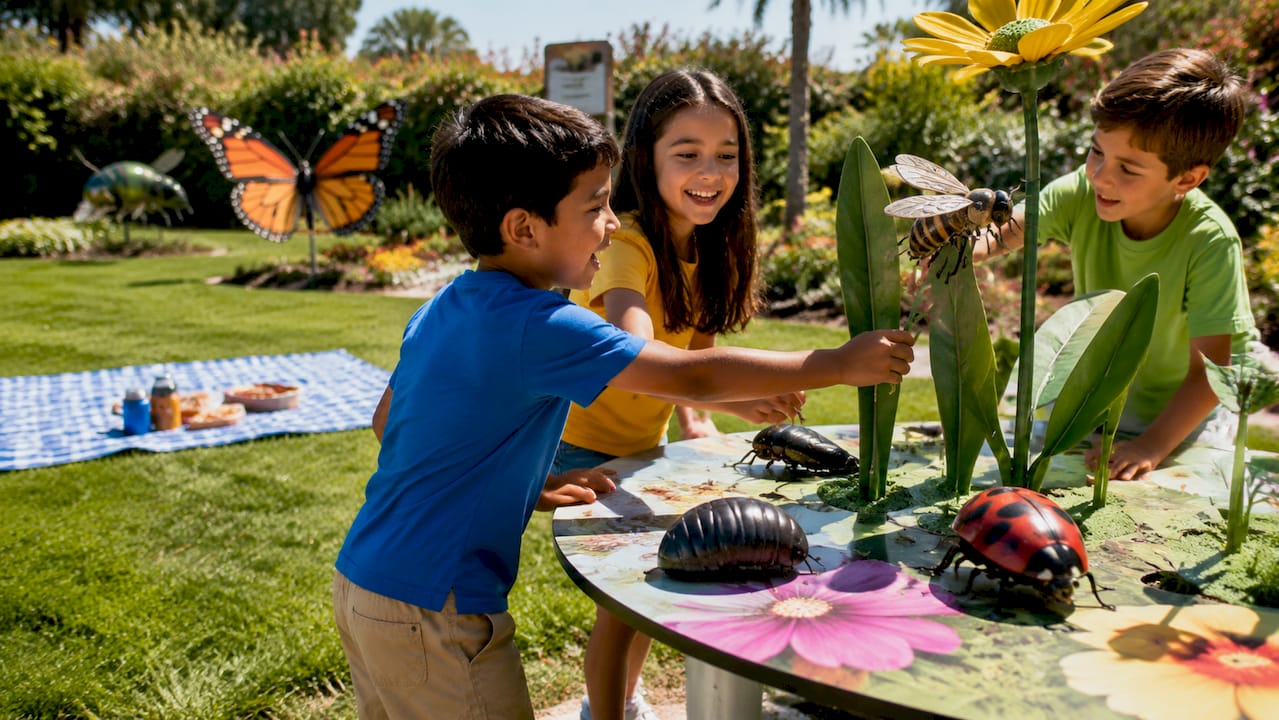
Biking is another strong option. Many California cities maintain dedicated family bike paths, including the Marvin Braude Bike Trail along Santa Monica and the American River Bike Trail in Sacramento. Renting bikes for a few hours gives the whole family a shared physical challenge without requiring gear ownership.
2. Interactive museums and science centers
California’s science and children’s museums rank among the best in the country. The California Academy of Sciences in San Francisco, the Exploratorium, and the California Science Center in Los Angeles all offer hands-on exhibits that hold attention across age groups. These venues work particularly well for mixed-age families because exhibits are designed for multiple engagement levels simultaneously.
The key is to let kids lead the pace inside. Rushing through a museum defeats the purpose. Give each child one exhibit they get to spend as long as they want on. That single rule reduces conflict and increases how much everyone remembers afterward.
3. Local festivals and community events
California hosts hundreds of community festivals year-round, from the Gilroy Garlic Festival to San Diego’s Fleet Week to neighborhood street fairs in virtually every city. These events combine food, entertainment, and local culture in one location, which makes them efficient for families who want variety without driving to multiple spots.
Flexible, discovery-oriented planning at events like these produces higher enjoyment and lower family conflict than rigid schedules. Arriving with a loose plan and letting the event guide you often leads to the most memorable moments.
4. Creative workshops and hands-on classes
Pottery studios, cooking classes, painting workshops, and escape rooms give families a shared creative challenge. Many California cities have drop-in art studios where families can work side by side without booking far in advance. These experiences work especially well for tweens, who respond strongly to experiential learning and moderate physical engagement.
Look for workshops that produce a take-home result. A painted ceramic bowl or a batch of homemade pasta gives the activity a second life at home and extends the memory of the experience.
5. Family dining experiences and food markets
Food is an underrated family activity. California’s farmers markets, food halls, and kid-friendly restaurants offer more than a meal. They offer a shared sensory experience. The Ferry Building Marketplace in San Francisco, Grand Central Market in Los Angeles, and the Anaheim Packing District all work well for families because each person can choose what appeals to them while staying in the same space.
Sit-down restaurants with open kitchens, taco stands with outdoor seating, and dim sum halls all create natural conversation and engagement. The goal is a setting where kids are comfortable and adults can actually enjoy the food.
6. Tailoring activities for different ages and interests
Choosing the right activity type for your family’s age mix is the most overlooked planning step. Here is how to match activities to age groups:
- Young children (ages 2–7): Simple, sensory, and low-energy settings work best. Think splash pads, petting zoos, and short nature walks with clear endpoints.
- Tweens (ages 8–12): Experiential and collaborative activities hold their attention. Science museums, cooking classes, and scavenger hunts give them agency and challenge.
- Teens (ages 13+): Teen engagement increases when caregivers support autonomy rather than imposing obligations. Let teens choose one activity per outing without negotiation.
- Multi-generational groups: Choose venues with seating areas so grandparents can rest while kids explore. Botanical gardens, aquariums, and food markets all accommodate varied energy levels.
- Families with accessibility needs: Many California state parks offer paved accessible trails. The Monterey Bay Aquarium and the Getty Center both provide strong accessibility accommodations.
Pro Tip: Ask each family member to name one non-negotiable for the day. Build the itinerary around those anchors first, then fill the gaps.
7. Balancing active and passive family activities
Active and passive activities serve different purposes, and both belong in a well-planned family day. The balance between them directly affects how everyone feels by the end of the outing.
| Activity type | Benefits | Watch out for |
|---|---|---|
| Active (hiking, biking, sports) | Greater positive affect and emotional regulation | Physical exhaustion if overdone |
| Passive (movies, car rides, picnics) | Rest and recovery between active blocks | Higher psychological distress if overused |
| Collaborative (cooking, crafts, shared tasks) | Predicts long-term life satisfaction in parents | Requires shared buy-in from all members |
The practical rule is to anchor each outing in one active experience, pair it with one collaborative or creative activity, and leave unstructured time for rest. Transition time of 30–60 minutes between high-energy activities reduces stress and keeps the day from feeling rushed. Rushed transitions are the primary cause of family outing stress, and the fix is simply building buffer time into the schedule before you leave home.
8. Short local getaways close to home
Not every great family experience requires a long drive. Short trips of 3–4 days within a reasonable drive offer manageable, flexible adventures without overloading schedules or budgets. For California families, this means destinations like Big Bear, Carmel, Santa Barbara, or the Gold Country foothills are all realistic weekend options.
The advantage of staying close to home is repeatability. A two-hour drive to a new town feels special without requiring weeks of preparation. Families who build a rotation of nearby destinations tend to spend more time together outdoors than those who save all their energy for one big annual trip.
For a broader look at what California has to offer, the California activities guide on Eventhound covers regional options across the state in one place.
Key takeaways
The most effective family outings combine one anchor activity, built-in transition time, and collaborative input from every family member to maximize enjoyment and minimize conflict.
| Point | Details |
|---|---|
| One major activity per day | Families with young kids do best with no more than two major activities on a weekend day. |
| Collaborative planning works | Children aged 8–12 engage more when they help choose the activity, not just attend it. |
| Active beats passive | Active family leisure produces better emotional outcomes than passive screen-based time. |
| Buffer time prevents burnout | Build 30–60 minutes of transition time between activities to keep the day calm and flexible. |
| Curate your sources | Use one or two trusted local event sources to avoid planning overload and decision fatigue. |
What I’ve learned about planning family days that actually work
The families I see enjoying their outings most are not the ones with the most elaborate plans. They are the ones who planned just enough and then let the day breathe. Over-scheduling is the most common mistake, and it is almost always driven by good intentions. Parents want to make the day count, so they pack it full. The result is a family that arrives home exhausted and irritable instead of happy.
The research backs this up, but you do not need a study to feel it. Think about your own best family memories. They probably include a moment that was not on the agenda. A detour to a roadside fruit stand. A spontaneous stop at a playground you spotted from the highway. A longer-than-planned lunch where everyone just talked.
My honest advice is to plan the anchor and protect the margins. Choose one thing you are genuinely excited about, get there, and then stay open to what happens next. California gives families an embarrassment of options. The goal is not to see all of them. The goal is to actually enjoy the ones you choose.
Small local discoveries, a new taco spot, a trail you had never tried, a free concert in a park, become the stories families tell for years. They do not require a big budget or a long drive. They require showing up with a little curiosity and not too tight a grip on the plan.
— Gregory
Eventhound makes finding local family activities simple
Searching for family things to do near me should not take an hour of tab-switching and second-guessing. Eventhound is an AI-powered local discovery platform built to surface exactly what is happening near you, whether that is a weekend festival, a kid-friendly restaurant, or a community event you would never have found on your own.
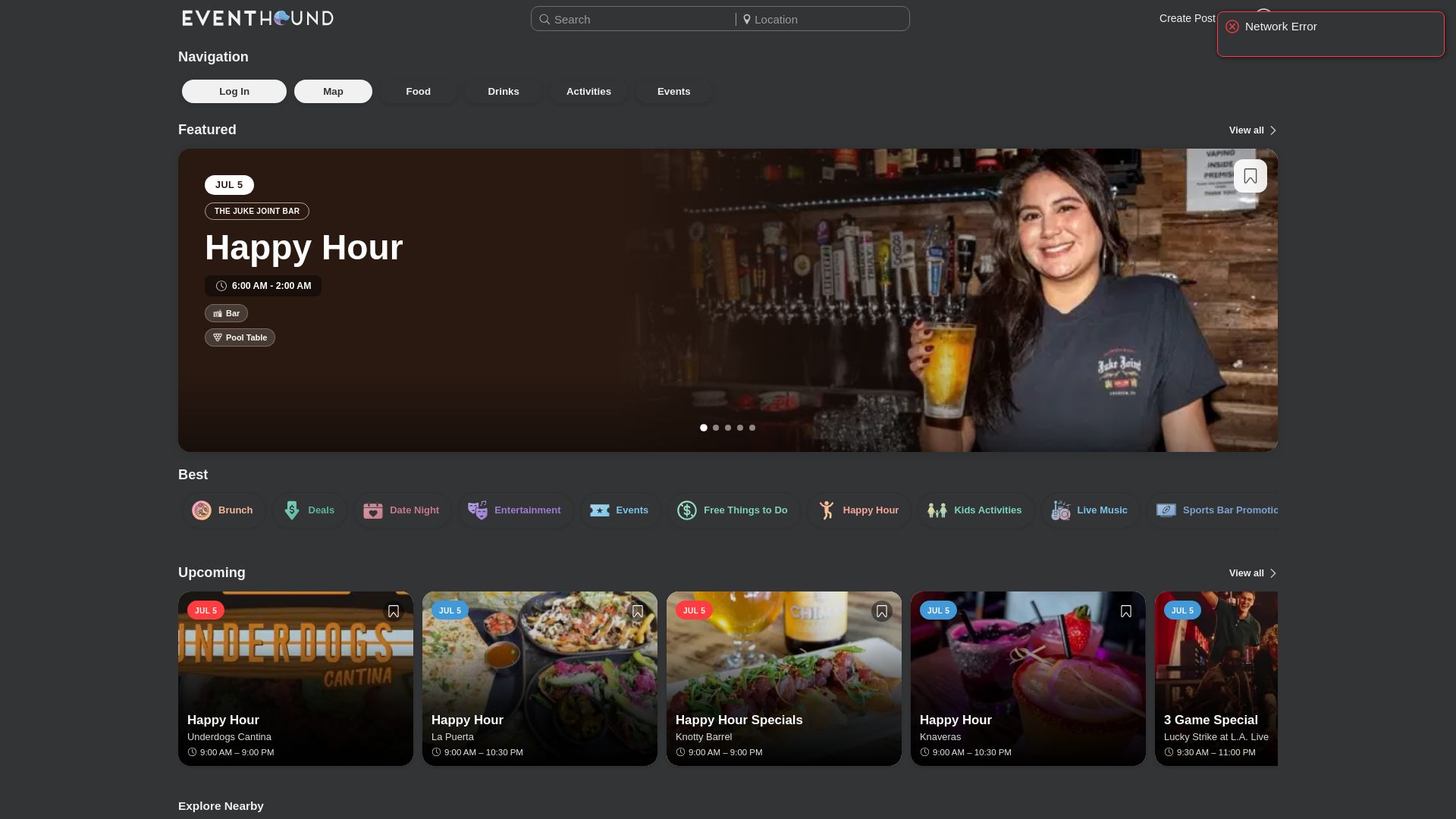
Eventhound’s AI delivers personalized recommendations based on your location, preferences, and real-time availability. You can find local family events across California in seconds, with curated lists updated as new activities are added. For families who want a faster way to plan, Eventhound AI narrows down the options so you spend less time searching and more time actually going.
FAQ
How many activities should families plan per day?
Families with young children do best with one major activity per day. Kids under 8 benefit from no more than two major activities on a weekend to avoid exhaustion.
What are the best free family activities in California?
State parks, beaches, farmers markets, and community festivals offer strong free or low-cost options across California. Many cities also host free outdoor concerts and movie nights seasonally.
How do I keep teens engaged during family outings?
Teen engagement increases when teens have real input in choosing the activity. Give them one non-negotiable choice per outing and avoid framing participation as an obligation.
How far in advance should I plan family activities?
Start planning 4–6 weeks ahead for weekend trips and book time-specific activities 2–3 weeks out. This window keeps your schedule flexible while securing access to popular spots.
What is the difference between active and passive family activities?
Active activities like hiking and biking promote emotional regulation and positive mood. Passive activities like watching movies serve a recovery function but correlate with higher psychological distress when they dominate family time.