Restaurant Specials Ideas: 20 Quick Promotions to Run Now
Restaurant Specials Ideas: 20 Quick Promotions to Run Now
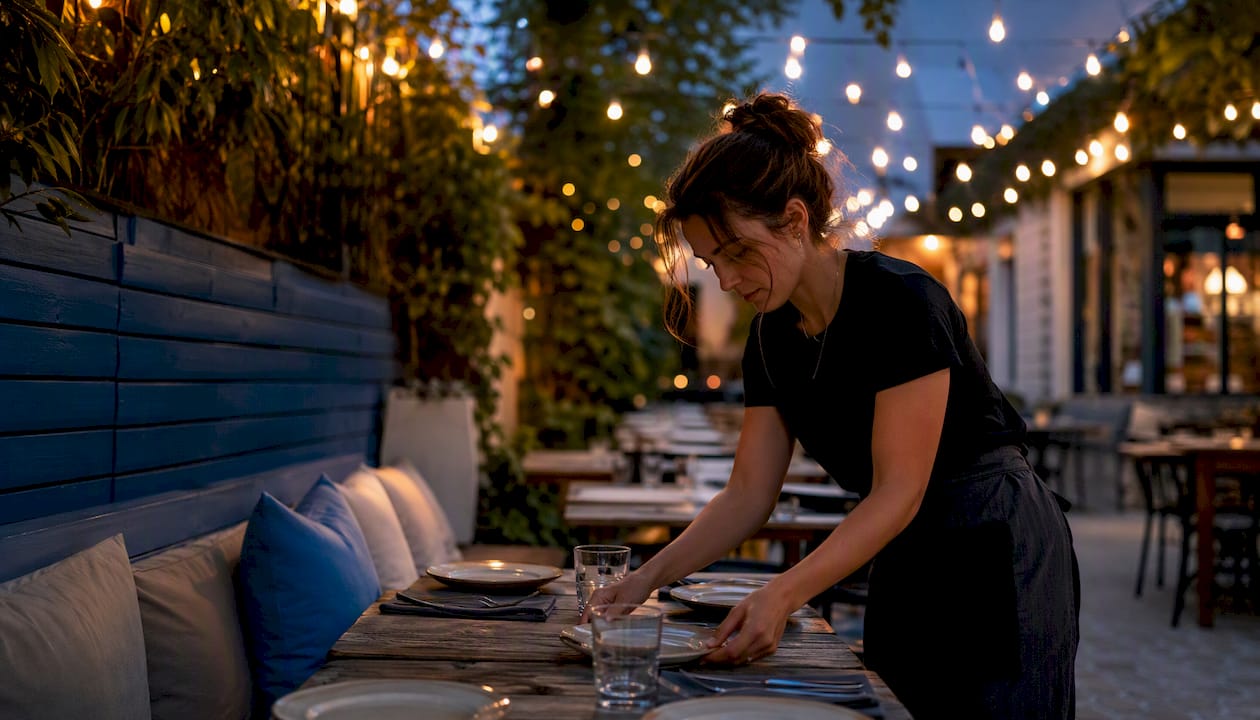
The fastest-returning restaurant specials ideas are happy hour deals (fills slow 3–6 PM slots), weekday BOGO (drives Tuesday/Wednesday covers), prix fixe lunch (protects margin while moving volume), early-bird discounts (fills pre-rush seats), and limited-time seasonal bundles (creates urgency without permanent price cuts). Each one targets a specific behavior: filling a weak daypart, acquiring a first-time guest, or nudging a repeat visit.
Three resources shape how you run and advertise these offers in the U.S.: the FTC’s guide on “Free” and promotional claims, Google Business Profile Offer and Event posts, and Eventhound’s local discovery listings. Get all three right and you have a promotion that’s visible, legal, and measurable.
- 🍹 Happy hour — fills the 3–6 PM dead zone with discounted drinks and appetizers
- 🔁 Weekday BOGO — drives covers on your slowest nights
- 🍽️ Prix fixe lunch — moves volume at a predictable margin
- 🌅 Early-bird discount — fills seats before the dinner rush
- 🌿 Seasonal limited-time bundle — creates urgency without a permanent price cut
- 👨👩👧 Family meal deal — captures the weeknight family segment
Key Takeaways
The most effective restaurant promotions target a specific guest behavior, protect contribution margin, and publish across Google Business Profile, email, and local discovery platforms simultaneously.
| Point | Details |
|---|---|
| Pick a behavioral goal first | Every special should target one outcome: first visit, repeat visit, or filling a slow daypart. |
| Follow FTC frequency limits | Don’t run the same “free” offer more than three times in 12 months or for longer than six months per period. |
| Use GBP Offer post fields fully | Fill in title, dates, times, coupon code, and link to unlock the “View Offer” button and mobile visibility. |
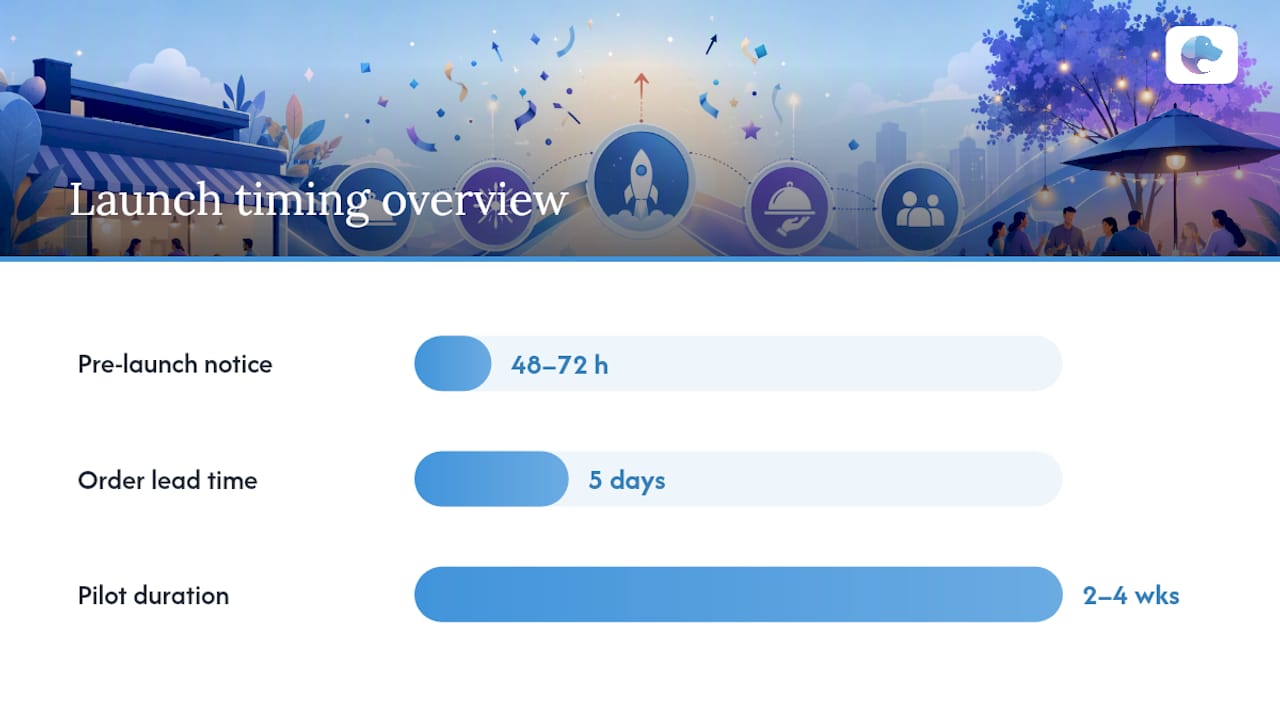
| Run 2–4 week pilots | Short, timed pilots produce clean data and avoid training guests to expect permanent discounts. |
| Eventhound extends your reach | Listing on Eventhound surfaces your special to nearby diners via AI-driven local recommendations. |
Table of Contents
- What are the best restaurant specials ideas you can run right now?
- How do you choose the right special for your restaurant?
- What U.S. legal rules apply to restaurant offer messaging?
- Where should you promote specials to reach nearby diners?
- How does listing on Eventhound extend your reach?
- How long should you run a special, and how do you protect your margins?
- Which KPIs tell you if a special actually worked?
- Ready-to-paste copy templates for GBP, email, and social
- Your 48–72 hour launch checklist
- How to handle customer complaints about specials
- What most operators get wrong about running specials
- Get your specials in front of more local diners with Eventhound
- Sources
What are the best restaurant specials ideas you can run right now?
Here’s a ready-to-copy list of high-impact promotions with one-line execution notes for each.
- Happy hour (3–6 PM) — Discount well drinks and two or three appetizers by 20–30%; post exact times on every channel so guests know when it ends.
- Weekday BOGO entrée — Run Tuesday or Wednesday only; require a minimum of two guests to protect check average.
- Prix fixe lunch ($15–$22) — Three courses at a fixed price; pre-batch the components to keep ticket times under 20 minutes.
- Early-bird dinner discount — 15% off for guests seated before 6 PM; print table tents with the cutoff time clearly visible.
- Themed dinner night — A monthly event (taco Tuesday, wine-pairing Wednesday) that gives regulars a reason to plan ahead; themed dinner nights also photograph well for social posts.
- Limited-time seasonal bundle — Pair a seasonal entrée with a house cocktail at a bundled price; run for 3–4 weeks max to preserve urgency.
- Dessert with two mains — Add a complimentary dessert when two entrées are ordered; low food cost, high perceived value.
- Group/family meal deal — A shareable feast for four at a flat price; works best Friday through Sunday when families plan outings.
- Loyalty bonus-points window — Double points for an hour each weekday; drives repeat visits without discounting the check.
- Slow-day combo — Soup, half sandwich, and a drink bundled at a Monday price; moves low-velocity inventory and builds a weekday habit.
- Chef’s tasting menu pop-up — A limited-seat, higher-ticket experience one Friday per month; creates buzz and justifies a premium price point.
- Kids-eat-free Sunday — One free kids’ meal per paying adult; fills Sunday lunch, a notoriously slow daypart for casual dining.
Pro Tip: Pair every discounted item with a high-margin add-on. A $6 craft beer upsell on a BOGO entrée night can recover most of the discount cost before the check closes.
How do you choose the right special for your restaurant?
Pick the promotion that buys a measurable behavior: a first visit, a repeat visit, or a filled weak daypart. Discounting without a target destroys margin.
Run through these five filters before committing:
- Business objective — Are you acquiring new guests, reactivating lapsed ones, or filling a slow slot?
- Daypart fit — Does the offer match the hours you actually need to fill?
- Menu margin — Which items can absorb a discount and still clear food + labor costs?
- Staff capacity — Can your current floor and kitchen team handle a volume spike?
- Inventory risk — Do you have enough of the featured item, and what happens if you sell out?
Sample margin check: A salmon entrée costs $8 in food and $4 in allocated labor ($12 total). You normally sell it at $24, leaving a $12 contribution margin. If the discount fills four extra seats per night that would otherwise sit empty, you net $28.80 in incremental margin nightly — well worth the discount. If those seats would have filled anyway at full price, you’ve simply given away $4.80 per cover for nothing.
What U.S. legal rules apply to restaurant offer messaging?
Always use clear terms, visible conditions, and precise language — especially when the word “free” appears anywhere in your copy.
The FTC’s 16 CFR § 251.1 sets concrete limits: don’t run the same “free” offer for more than six months in any 12-month period in a trade area, allow at least 30 days between repeats, and run no more than three such offers in 12 months. Every “free” claim must disclose all conditions, limitations, and obligations clearly and conspicuously — not buried in fine print.
| Offer type | Required disclosure | Where to display |
|---|---|---|
| “Free dessert with two entrées” | Exact entrées that qualify, dine-in only or takeout, expiration date | Menu insert, table tent, GBP post description |
| “Buy one entrée, get one free” | Which entrées qualify, one per table or per visit, valid dates | Social caption, email body, receipt |
Compliant “free with purchase” copy: “Get a free slice of our house cheesecake when you order two entrées. Dine-in only. Valid Monday–Thursday, 5–9 PM, through [date]. One per table. While supplies last.”
For SMS promotions, TCPA rules require prior express written consent before you send any marketing text. Keep marketing messages separate from transactional ones (like order confirmations), and use a compliant SMS platform that logs opt-ins. No consent, no send.
Where should you promote specials to reach nearby diners?
Prioritize in this order: Google Business Profile, your email list, SMS (consented), social media, local listing platforms, and community calendars.
Google Business Profile is the highest-leverage free channel for time-sensitive offers. GBP Offer posts include structured fields (title, start/end dates, times, coupon code, and a link) and automatically generate a “View Offer” button. Use the “Offer” post type for discounts and the “Event” post type for themed dinner nights. Posts can appear directly on mobile Business Profiles, sometimes replacing review placement — making a correctly formatted, timely post one of the most visible things you can publish.
- Email — Send 48 hours before the offer starts; include the exact dates, times, and one clear CTA.
- SMS — Consented subscribers only; keep it under 160 characters with the offer, time, and opt-out instruction.
- Social (Instagram/Facebook) — Post a photo of the featured item with the offer terms in the caption, not just the image.
- Local listing platforms — Cross-post to local discovery channels that aggregate deals for nearby diners.
- In-venue signage — Table tents and a chalkboard near the entrance convert guests who are already there.
How does listing on Eventhound extend your reach?
Listing a special on a local discovery platform puts your offer in front of nearby diners who are actively searching for deals, not just your existing followers. Eventhound’s AI-powered recommendations surface relevant specials based on a user’s location, preferences, and real-time availability — so your happy hour can reach someone two blocks away who’s deciding where to go right now.
What to prepare for submission:
- Offer title (clear and specific: “Half-Price Appetizers, 3–6 PM Weekdays”)
- Start and end dates/times
- One high-quality photo of the featured item
- Short description (2–3 sentences, plain language)
- Coupon code if applicable
- Link to your menu, reservation page, or online order
- Neighborhood and service-area tags
Pro Tip: Tag your listing with the specific daypart (e.g., “happy hour,” “lunch”) and neighborhood name. Eventhound’s algorithm favors accurate structured data, and diners searching “happy hour near me at 4 PM” are more likely to find you when your metadata matches their search.
How long should you run a special, and how do you protect your margins?
Short, time-bound pilots of 2–4 weeks work best for most specials. Longer-running “free” promotions train guests to expect the discount permanently and erode your baseline price perception.
| Objective | Suggested discount | Suggested duration |
|---|---|---|
| First visit / new guest | 15–20% off one item | 2–3 weeks |
| Fill slow daypart | Bundle pricing (no % off) | 4 weeks, then evaluate |
| Repeat visit / loyalty | Bonus points or free add-on | Ongoing, capped per visit |
| Seasonal urgency | Limited-time bundle | 3–4 weeks max |
When a special involves a featured ingredient, place your order with at least a 5-day lead. Set a nightly cap (e.g., 30 portions) so you don’t oversell and disappoint guests. If you hit the cap before close, update your GBP post description to say “sold out for tonight” rather than leaving the offer live.
Which KPIs tell you if a special actually worked?
Track these five metrics for every promotion you run:
- Incremental covers — How many seats filled during the offer window that wouldn’t have otherwise?
- Average check during the offer — Did the discount pull down check average, or did upsells compensate?
- Redemption rate — What percentage of guests who saw the offer actually used it?
- Contribution margin per cover — Did the discounted price still clear food + labor costs?
- 30-day repeat rate — Did offer guests come back within a month at full price?
Simple A/B test: Run two versions of the same offer on alternating weeks. The version with the higher contribution margin per cover wins. A success threshold: Version B wins if it produces at least $2 more in margin per cover than Version A.
Post-run evaluation questions: Did the offer meet its stated objective? Did it stress the kitchen or floor staff? Did it move the inventory it was designed to move? Would you run it again at the same price?
Ready-to-paste copy templates for GBP, email, and social
GBP Offer post (compliant): Title: Half-Price Appetizers During Happy Hour Dine-in only. Valid through [end date]. While supplies last. No coupon needed. Coupon code field: Leave blank or enter HAPPYHOUR Link: Your menu or reservation URL
Email subject line: “Your table is waiting — half-price apps end Friday.” Body: “Happy hour is back. Every weekday from 3–6 PM, all appetizers are 50% off, dine-in only. Offer valid through [date]. See you soon — [Restaurant Name].”
Social caption (Instagram/Facebook): “Half-price apps, every weekday 3–6 PM 🍟🍻 Dine-in only, valid through [date]. Tag a friend you’re bringing. #HappyHour #[YourCity]Eats”
SMS (consented subscribers only): “[Restaurant]: Half-price apps today 3–6 PM, dine-in only. Valid thru [date]. Reply STOP to opt out.”
Compliance note: always include the expiration date, dine-in/takeout restriction, and opt-out instruction in SMS. Display full terms on your website and link from GBP.
Your 48–72 hour launch checklist
- Define the offer: item, discount or bundle price, valid dates and times, and any caps.
- Calculate contribution margin at the discounted price (see margin check above).
- Create the GBP Offer post with all structured fields filled in.
- Load in-venue signage (table tents, chalkboard, window cling).
- Schedule email and social posts to go live 48 hours before the offer starts.
- Brief staff at the pre-shift meeting (see talking points below).
- Set up a simple tracking method: a tally sheet, POS modifier, or coupon code.
- Check inventory and place any needed orders with a 5-day lead.
2–4 week pilot schedule: Week 1 — launch and daily cover count. Week 2 — mid-point check on redemption rate and average check. Week 3 — adjust cap or messaging if needed. Week 4 — final data pull and post-run evaluation.
Staff brief talking points: “We’re running [offer name] from [dates], [times]. The deal is [exact terms]. If a guest asks whether it applies to [edge case], the answer is [yes/no]. If we sell out, let the guest know immediately and offer [alternative]. Any complaints go to [manager name].”
How to handle customer complaints about specials
Complaints about specials usually fall into three buckets: the guest didn’t know the terms, the offer expired, or the kitchen ran out. Each one has a clean fix.
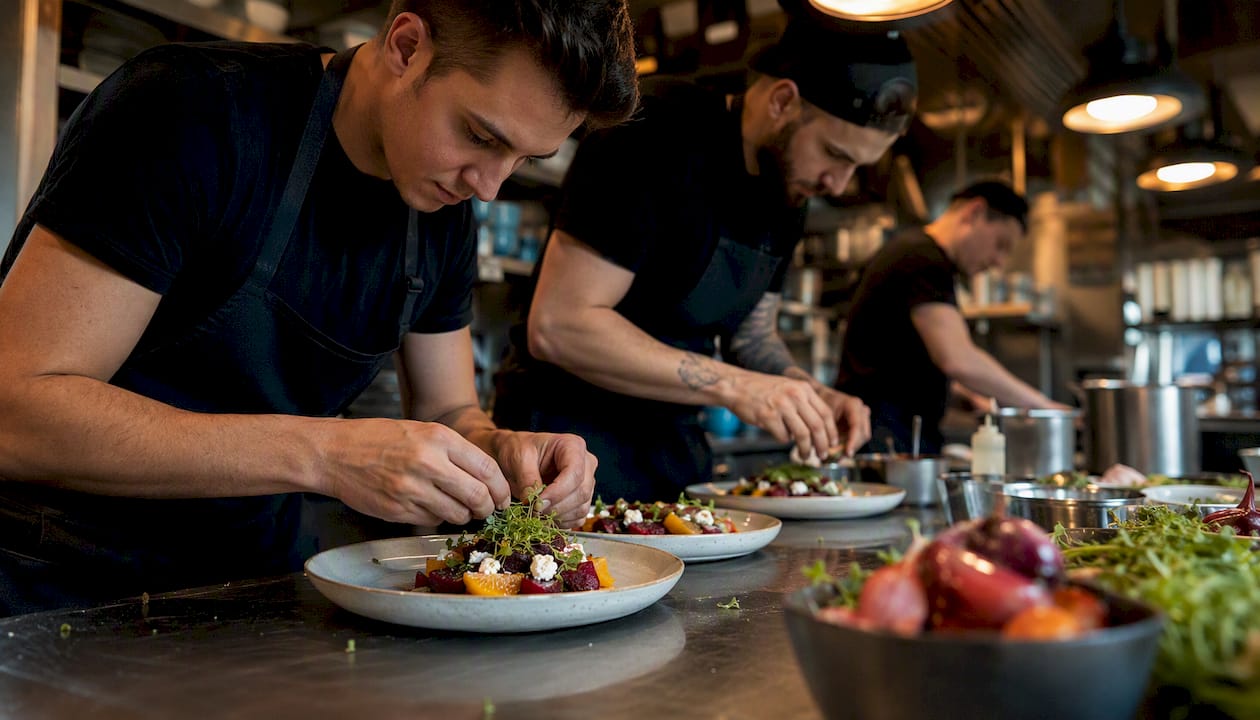
When a guest is confused about terms, the front-of-house team should have the exact offer language printed and ready. Never argue about what the sign “implied.” If the terms were unclear on your end, honor the guest’s expectation once and fix the copy immediately.
For expired offers, train staff to say: “That promotion ended on [date], but I’d love to tell you about what we have running now.” Redirect, don’t just decline. If a guest presents a screenshot of an old GBP post you forgot to take down, that’s your operational gap, not theirs. Remove expired posts the day they end.
Inventory sellouts need a proactive response. Update your GBP post description in real time, post a quick social story, and brief the host stand so guests know before they sit down. A guest who finds out after ordering is far more frustrated than one who’s told at the door.
What most operators get wrong about running specials
Most restaurant owners treat a special as a price cut. The operators who consistently fill slow dayparts treat it as a behavioral contract with a specific guest segment.
The distinction matters in practice. A Tuesday prix fixe at $28 that includes a glass of wine attracts a guest who values the experience, not just the savings. The second guest has a higher lifetime value and is far less likely to complain when the discount ends.
The other overlooked lever: timing alignment. A GBP Offer post that lists “happy hour” with no times is nearly useless. The same post with “3–6 PM, Monday–Friday” converts because a diner searching at 2:45 PM can make a decision. Aligning your listing metadata to the exact service window is the single cheapest improvement most restaurants can make today.
Get your specials in front of more local diners with Eventhound
You’ve built the offer. Now it needs an audience beyond your existing followers. Eventhound puts your specials directly in front of nearby diners who are actively looking for something delicious to do right now.
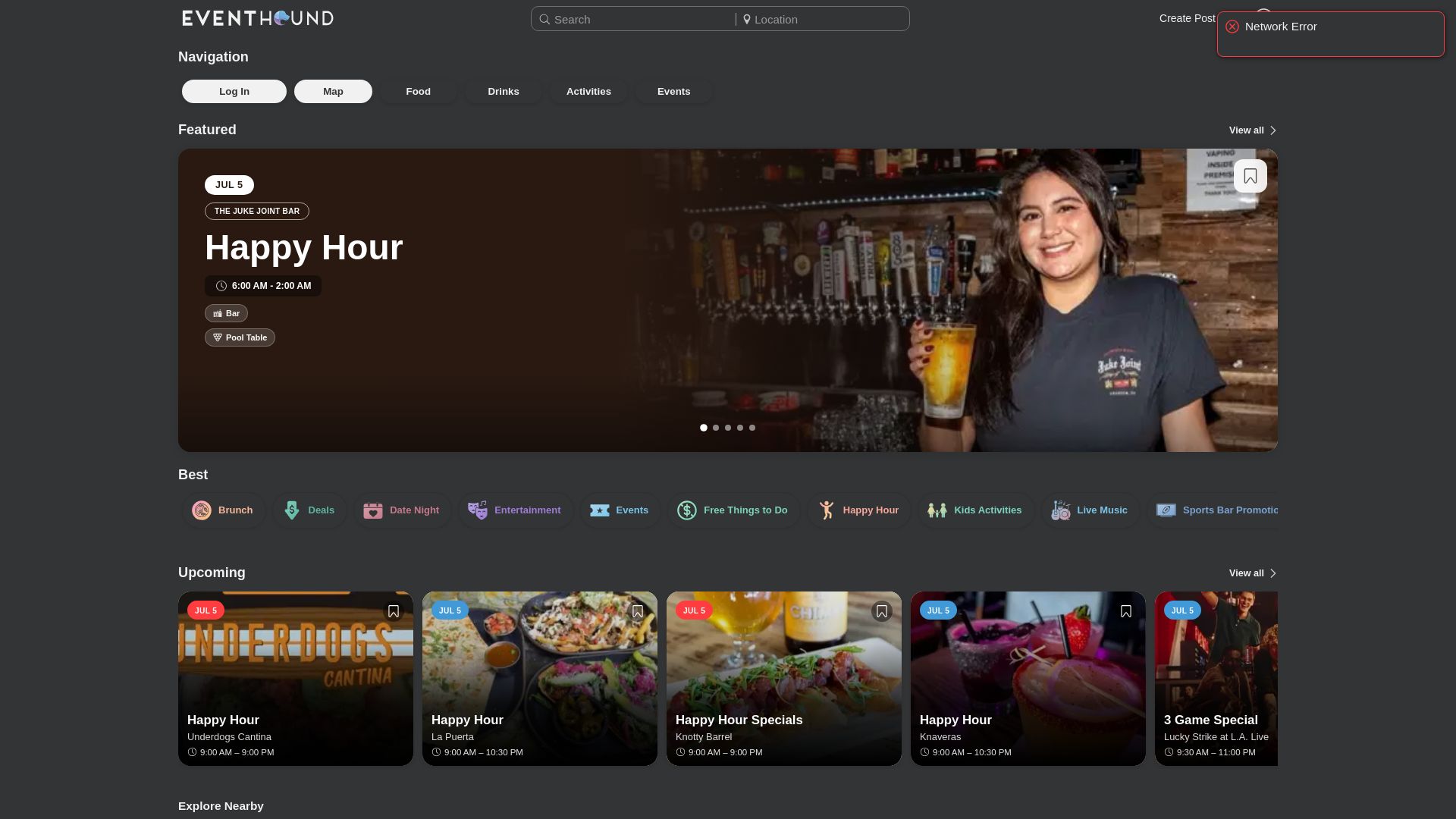
When you list your special on Eventhound, your offer reaches users searching by location, daypart, and deal type. The platform’s AI matches your listing to diners whose preferences and real-time location make them the most likely to walk through your door. Submit your title, dates, times, a photo, and a short description, and your offer is live to a local audience you couldn’t reach through GBP or social alone.
Claim your business on Eventhound and get your next special in front of the right diners at the right moment.
Sources
- 16 CFR § 251.1 - The guide. | Electronic Code of Federal Regulations (e-CFR) | US Law | LII / Legal Information Institute
- 6 Ways to Make Restaurant Promotions More Profitable (Plus a Promotions Checklist)