30+ Popup Event Ideas That Actually Drive Results
30+ Popup Event Ideas That Actually Drive Results
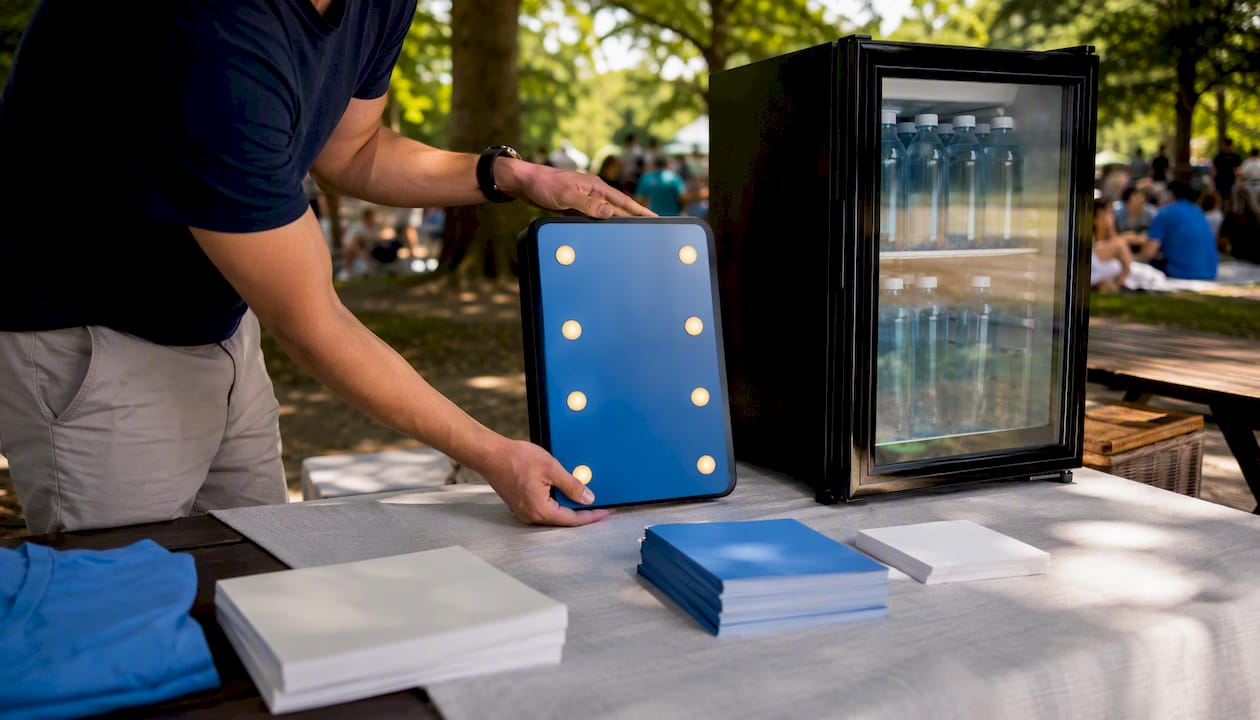
The best popup event ideas fall into five categories: product launches, brand experiences, seasonal activations, mobile demos, and hybrid formats. Pick one of these plug-and-play concepts and you can start planning today:
- Exclusive product drop with limited inventory and a countdown clock
- Customization station where guests personalize a product on the spot
- Tasting bar for food, beverage, or beauty sampling
- Mobile van demo that parks in high-traffic neighborhoods
- Micro-class series (30-minute skill sessions tied to your product)
- AR try-on kiosk for apparel, eyewear, or cosmetics
- Scavenger hunt across a city block with a prize at your booth
- Influencer preview night the evening before public doors open
Pick your goal first, then choose the format that fits your budget and audience size. The rest of this guide gives you the full playbook.
Key Takeaways
The most effective popup event ideas pair a single clear objective with the right format, a disciplined planning timeline, and at least one measurable KPI set before you book the venue.
| Point | Details |
|---|---|
| Start with one KPI | Set your primary metric (email captures, on-site sales, social reach) before booking any venue. |
| Budget realistically | About 44% of pop-ups cost under $5,000; always reserve 15–20% of your budget as contingency. |
| Build in permit time | Add a 2–4 week buffer for permits and landlord approvals before your build-out begins. |
| Rehearse everything | Run two full tech rehearsals with all staff in role at least 48 hours before opening. |
| Eventhound for local reach | List your pop-up on Eventhound to surface it in AI-driven local discovery for nearby audiences. |
Table of Contents
- What exactly is a pop-up event, and when should you run one?
- Why brands keep running pop-ups: the business outcomes
- Pop-up categories and how to choose the right format for your goal
- 30+ creative popup event ideas grouped by objective
- How to plan a pop-up: your logistics checklist
- Budget, timeline, and KPIs: what to expect
- Technology and tools that make pop-ups run smoothly
- Promotion tactics to fill your space and amplify your reach
- Expert operational tips that separate good pop-ups from great ones
- Three pop-up models you can copy right now
- What actually makes a pop-up succeed, in my experience
- Get your pop-up in front of the right local audience with Eventhound
- Sources
What exactly is a pop-up event, and when should you run one?
A pop-up event is a temporary, experience-driven activation that appears without warning, runs for a short window, and then disappears. According to Cvent, pop-ups can be seasonal, marketing-focused, hybrid, or experimental, and they work precisely because their scarcity creates urgency that a permanent store or a digital ad simply cannot replicate.
The format is the right call in four situations:
- Market testing: You want real consumer feedback before committing to a permanent location or a full product line.
- Launch momentum: A new product or brand needs a concentrated burst of attention and social content.
- Seasonal push: Holiday, summer, or back-to-school demand spikes justify a short-run physical presence.
- Community activation: You want to show up in a neighborhood, build local goodwill, and capture a new audience segment.
Pop-ups are not a substitute for a permanent retail strategy. They work best as a focused, time-limited tactic layered on top of your existing channels.
💡 Stat to know: U.S. temporary retail and pop-up revenue hit $15.6 billion in 2025, which tells you this is no longer a niche experiment. Brands of every size are treating it as a core channel.
Why brands keep running pop-ups: the business outcomes
Pop-ups deliver a tight cluster of outcomes that most other marketing formats cannot match simultaneously. Here is what you actually get:
- Brand awareness: A physical presence in a new market generates foot traffic, word-of-mouth, and earned media that paid ads rarely produce at the same cost.
- Direct sales: On-site conversion happens fast when scarcity and experience combine.
- Product testing: Real-time feedback from real customers beats any survey.
- Email and SMS capture: A well-staffed activation can collect hundreds of opted-in contacts in a single day.
- Social content: Shareable moments, branded backdrops, and live demos generate organic content that extends your reach long after the event closes.
The cost barrier is lower than most planners expect. About 44% of pop-ups cost less than $5,000 to open, which makes the format genuinely accessible for small brands testing a new market or a new product line.
The KPI that ties these outcomes together is your capture rate: the percentage of foot traffic that takes a measurable action (purchase, email sign-up, social follow). Track it from day one so you can compare runs and improve.
Pop-up categories and how to choose the right format for your goal
Not every format fits every goal. Here is a quick map of the main categories and the situations where each one shines.
Retail shop pop-up — A temporary storefront, usually in a vacant retail space, a market stall, or a gallery. Best for direct-to-consumer brands that want to test a new city or a new product line without signing a long-term lease. Food and beverage brands, DTC apparel, and beauty brands use this format most often.
Immersive brand experience — The space itself is the product. Think multi-room installations, sensory environments, and interactive zones. Designing the guest flow like a story, using lighting, sound, and interactive stations to turn product features into tactile moments, is what separates a memorable brand experience from a glorified trade-show booth.
Mobile or demo van — A branded vehicle that travels to multiple locations. High flexibility, low venue cost, and strong social media appeal. Works well for food trucks, beauty brands, and tech demos targeting commuter corridors or festival grounds.
Micro-event — A small, invite-only or ticketed gathering (20–100 people) built around a class, tasting, or workshop. Lower overhead, higher engagement per attendee, and easier to staff.
Seasonal activation — Tied to a calendar moment: holiday markets, summer festivals, back-to-school, Valentine’s Day. The built-in cultural context does half the marketing work for you.
Hybrid or virtual pop-up — A live physical event paired with a livestream or digital experience layer. Extends reach beyond the room and generates content simultaneously.
How to choose: Match format to three variables. If your audience is large and spread out, go mobile or retail shop. If your budget is tight (under $5,000), go micro-event or mobile van. If your primary KPI is social reach, go immersive or hybrid.
| Format | Best for | Primary KPI |
|---|---|---|
| Retail shop | DTC product sales, new market test | On-site conversion rate |
| Immersive experience | Brand awareness, earned media | Social reach, press mentions |
| Mobile / demo van | Multi-location reach, sampling | Samples distributed, leads captured |
| Micro-event | High-value lead capture, community | Email sign-ups, NPS score |
| Seasonal activation | Seasonal revenue spike | Revenue per day, foot traffic |
| Hybrid / virtual | Extended reach, content creation | Livestream views, post-event web lift |
30+ creative popup event ideas grouped by objective
These concepts are organized by what you are trying to achieve. Each one includes a short execution tip and the primary KPI to track.
🚀 Product launches
1. Exclusive product drop Release a limited quantity available only at the pop-up. Use a countdown clock and a waitlist to build pre-event buzz. Shopify’s research on product-launch tactics confirms that exclusivity and scarcity are among the highest-engagement drivers at pop-up activations. KPI: Units sold in the first hour
2. Customization station Let guests personalize a product on the spot: monogramming, color mixing, label design. The act of creation deepens attachment and generates organic social content. KPI: Customizations completed, social posts tagged
3. AR try-on kiosk A tablet or mirror-style display lets shoppers virtually try on apparel, eyewear, or cosmetics before buying. Pair it with a QR code that saves the look and links to your online store. KPI: Try-on sessions, QR scan-to-purchase rate
4. Influencer preview night Open the space to a curated list of local creators the evening before public doors open. They generate content while the space is fresh and uncrowded, and their posts go live just as your public event opens. KPI: Influencer reach, pre-event social impressions
🎨 Brand experiences
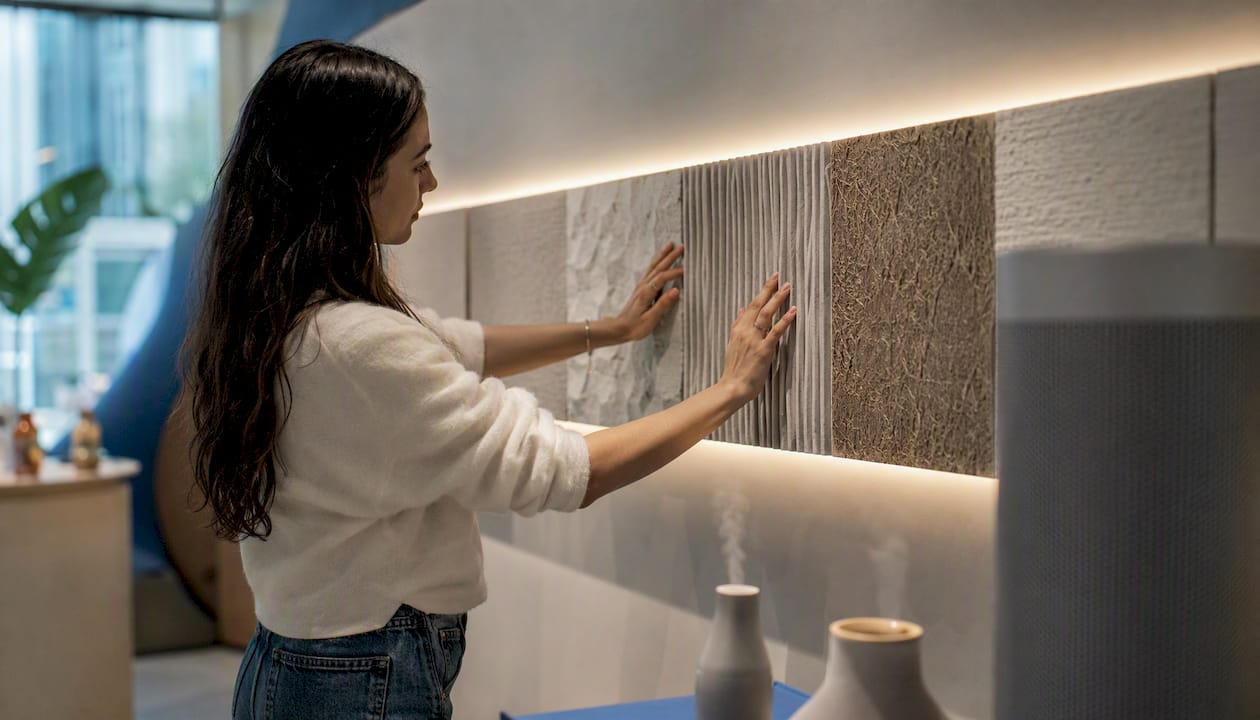
5. Sensory installation Design a multi-room environment where each zone highlights one product benefit through a different sense: smell, touch, taste, sound. This is the immersive format at its most effective. KPI: Time spent in space, press mentions
6. Interactive scavenger hunt Hide clues or QR codes across a city block or a market. Each clue reveals a product fact, and the final stop is your booth with a prize. Drives foot traffic and social sharing simultaneously. KPI: Participants, social posts with your hashtag
7. Live art or maker demo Invite a local artist or craftsperson to create something live in your space, using your product as the medium. The process draws a crowd and the finished piece becomes a shareable asset. KPI: Dwell time, video views
8. Branded photo moment Build one highly Instagrammable set piece: a neon sign, a floral wall, a branded mirror. Simple to execute, low cost, and every photo is free advertising. KPI: Tagged posts, hashtag volume
🍽️ Food and beverage activations
9. Tasting bar Offer free samples of a new flavor, product, or menu item. Pair each sample with a card that links to your online store or menu via QR code. KPI: Samples distributed, QR scan rate
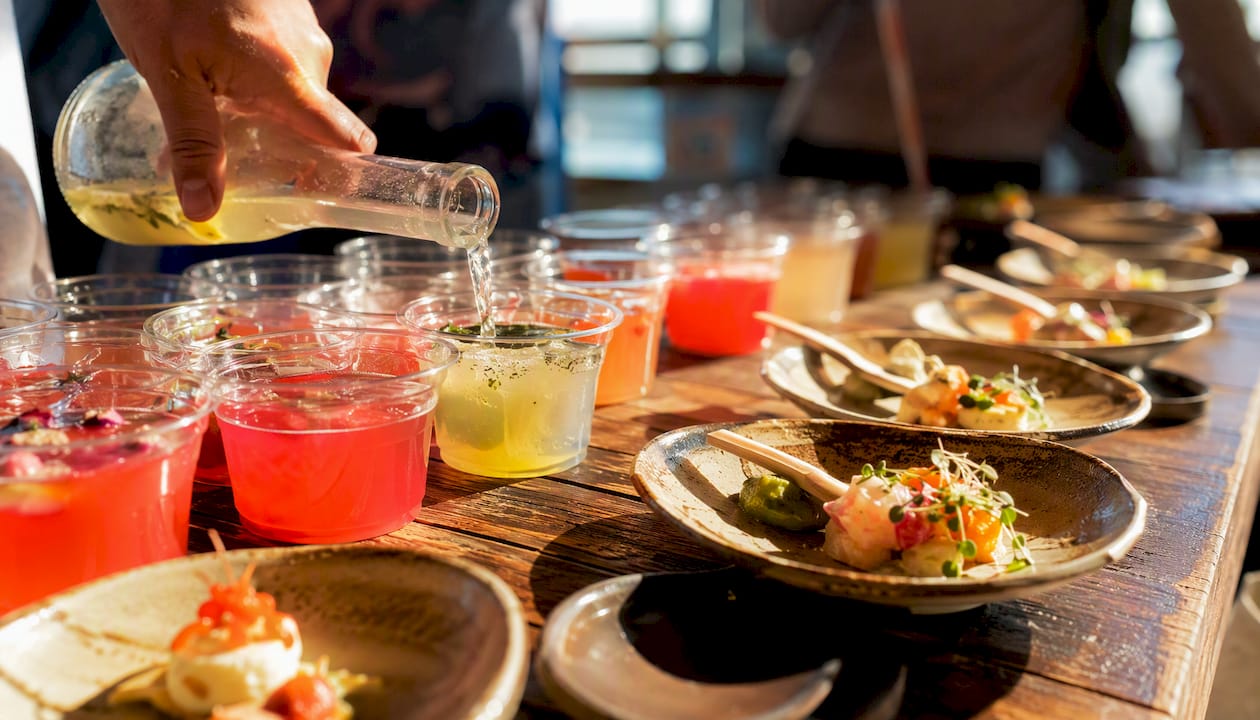
10. Restaurant pop-up dinner A chef or restaurant brand takes over a non-traditional space (rooftop, gallery, warehouse) for one or two nights. Ticketed entry creates scarcity; the unusual venue creates press appeal. This is one of the most effective restaurant pop-up ideas for testing a new concept before committing to a permanent location. KPI: Tickets sold, post-event reservation inquiries
11. Cocktail or mocktail lab Guests mix their own drinks using your spirits, mixers, or ingredients. The hands-on format drives dwell time and social content. KPI: Participants, email sign-ups at check-in
12. Food truck collab Partner with a local food truck to park outside your retail pop-up. The truck draws its own crowd, and the foot traffic flows into your space. KPI: Combined foot traffic, cross-brand social tags
📚 Services and classes
13. Micro-class series Run 30-minute skill sessions tied directly to your product: a skincare routine class for a beauty brand, a quick-cook demo for a food brand, a styling session for an apparel brand. KPI: Registrations, post-class purchase rate
14. Expert consultation booth Offer free 10-minute consultations with a specialist (nutritionist, stylist, financial advisor) relevant to your product category. Capture contact info at booking. KPI: Consultations booked, leads captured
15. DIY workshop Guests build or assemble something using your product. Craft brands, home goods brands, and food brands all use this format effectively. KPI: Workshop completions, social posts
🚐 Mobile and street activations
16. Branded demo van A wrapped vehicle parks in a new neighborhood each day for a week. The changing location creates daily social content and reaches multiple audience segments without multiple venue bookings. KPI: Locations visited, samples or demos per stop
17. Sidewalk sampling station A simple table and canopy in a high-foot-traffic corridor. Low cost, fast setup, and direct access to passersby who would never seek you out online. KPI: Samples distributed, email sign-ups
18. Flash sale cart A mobile cart that appears at a specific location for exactly two hours. Announce it on social media 30 minutes before it opens. The time pressure drives urgency. KPI: Units sold, social reach of the announcement
19. Outdoor popup market Organize or join a curated outdoor market with complementary brands. Shared marketing costs, built-in foot traffic, and a festival atmosphere that encourages browsing. Outdoor popup activities like live music or lawn games extend dwell time significantly. KPI: Foot traffic, average transaction value
🌟 Seasonal and holiday
20. Holiday gift shop A curated selection of your products packaged as gifts, open for three to four weeks in November and December. Add gift-wrapping as a service to increase dwell time and average order value. KPI: Revenue per day, gift-wrap attachment rate
21. Valentine’s Day experience A themed space with a romantic or playful aesthetic, limited-edition products, and a shareable photo moment. Works especially well for food, beauty, and lifestyle brands. KPI: Tickets or reservations, social impressions
22. Summer festival booth Attach your brand to an existing summer festival rather than building your own event from scratch. Lower marketing cost, guaranteed foot traffic, and a built-in festive atmosphere. KPI: Leads captured, samples distributed
23. Back-to-school supply swap A community-oriented activation where families trade in used supplies for a discount on your products. Generates goodwill, press coverage, and a highly targeted audience. KPI: Participants, earned media mentions
💻 Hybrid and virtual activations
24. Livestreamed product launch Run the physical pop-up and stream it live on Instagram, TikTok, or YouTube simultaneously. The live audience can ask questions, vote on product options, or unlock exclusive online-only deals. KPI: Livestream concurrent viewers, online orders during stream
25. QR-triggered digital experience Place QR codes throughout the space that unlock exclusive content: behind-the-scenes video, a discount code, or an AR filter. Each scan is a trackable data point. KPI: QR scan rate, content completion rate
26. Virtual try-before-you-buy Pair a physical sample kit (mailed in advance) with a live virtual session where a host walks participants through the product. Scales beyond a single location. KPI: Kit requests, post-session purchase rate
🤝 Collaborations and community
27. Brand collab drop Partner with a complementary brand (not a competitor) to co-create a limited product available only at the pop-up. Both brands share marketing costs and audiences. KPI: Co-branded units sold, new audience reach
28. Local artist or maker market Host a curated market of local makers inside or adjacent to your space. You provide the venue; they bring their audiences. Everyone wins. KPI: Vendor applications, combined foot traffic
29. Charity tie-in activation Donate a percentage of pop-up revenue to a local cause and promote it prominently. Drives attendance from community members who might not otherwise engage with your brand. KPI: Revenue donated, press mentions, new email sign-ups
30. Neighborhood block party Coordinate with neighboring businesses to close a block or a parking lot for a shared activation. Shared costs, shared audiences, and a genuine community feel that earns local press coverage. KPI: Participating businesses, total foot traffic
31. Popup party with a theme Build the entire experience around a specific aesthetic or cultural moment: a 90s throwback, a tropical escape, a black-tie-optional evening. Popup party ideas with strong visual themes generate the most organic social content because guests dress for the occasion and share obsessively. KPI: Costume/theme participation rate, social posts
Pro Tip: Design one “hero moment” in the space, a single station or set piece that is so visually striking or tactilely satisfying that guests stop and interact for at least 60 seconds. That dwell time is where brand recall actually forms.
How to plan a pop-up: your logistics checklist
Permits, insurance, and landlord approvals are the leading causes of delayed or failed pop-up launches, so build your timeline around the administrative steps, not the creative ones. Here is the sequence that keeps launches on track.
- Set goals and KPIs first. Define what success looks like before you book anything. Email captures? On-site revenue? Social impressions? Your KPI determines your layout, staffing, and tech stack.
- Set your budget. Allocate across five buckets: venue, build-out, staffing, marketing, and a 15–20% contingency reserve.
- Book the venue and get landlord approval in writing. Verbal agreements are not enough. Confirm load-in times, power access, and Wi-Fi availability before signing.
- Apply for permits and insurance. Depending on your city and format, you may need a temporary use permit, a food handler’s license, a noise permit, or a certificate of insurance naming the landlord as additionally insured. Add a 2–4 week buffer strictly for this step.
- Plan build-out and utilities. Map power outlets, confirm amperage for your equipment, arrange Wi-Fi or a cellular hotspot backup, and schedule your build crew.
- Hire and train staff. Assign specific roles: greeter, lead capture, sales, social content capture. Every staff member should know their job before doors open.
- Set up payments and check-in. Choose a mobile POS (Square, Shopify POS, or Clover) and test it on-site before the event. If you are running ticketed entry, set up your ticketing flow and test it end-to-end.
- Run a full tech rehearsal. Test every device, every QR code, every AR experience, and every payment terminal at least 48 hours before opening. Operational excellence at pop-ups depends on multiple tech rehearsals and clear staff roles, not just a strong creative concept.
- Plan accessibility. Confirm ADA compliance for your layout: accessible entrance, clear pathways, and accessible checkout height.
- Schedule takedown. Confirm your load-out window with the venue and assign a crew. Leaving on time protects your deposit and your relationship with the landlord.
Pro Tip: File permit applications the moment your venue is confirmed, not after. In many U.S. cities, temporary use permits take 10–21 business days to process, and a single missing document resets the clock.
Budget, timeline, and KPIs: what to expect
Timeline milestones
A medium-complexity pop-up (custom build, 3–5 staff, ticketed entry) needs 8–12 weeks of lead time. A simple sidewalk activation or market booth can come together in 2–3 weeks. Practitioners recommend adding a 2–4 week buffer specifically for regulatory and site-access clearances, which means your creative and build timeline effectively starts after permits are in hand.
| Phase | Weeks out | Key milestones |
|---|---|---|
| Strategy | 10–12 weeks | Goals, KPIs, format, budget approved |
| Venue and approvals | 8–10 weeks | Venue signed, permit applications filed |
| Build and staffing | 4–6 weeks | Build-out designed, staff hired and scheduled |
| Marketing | 3–6 weeks | Teaser campaign live, influencers briefed |
| Tech rehearsal | 1–2 weeks | All tech tested on-site, staff trained |
| Event run | 1–14 days | Average pop-up duration is 3–14 days |
| Post-event | 1–2 weeks | Follow-up sequences sent, KPIs reviewed |
Budget ranges
About 44% of pop-ups cost less than $5,000, making the format genuinely accessible for small brands. A typical cost split for a mid-range activation looks like this:
- Venue rental: 30–40% of total budget
- Build-out and décor: 20–30%
- Staffing: 15–20%
- Marketing and promotion: 10–15%
- Tech and equipment: 5–10%
- Contingency: 15–20%
KPIs to track
- Foot traffic: Total visitors counted (use a door clicker or a camera-based counter)
- Capture rate: Percentage of visitors who take a measurable action (purchase, sign-up, scan)
- On-site conversion rate: Purchases divided by total visitors
- Email/SMS sign-ups: Raw count and percentage of total visitors
- Social reach: Impressions from your hashtag and tagged posts during and after the event
- Post-event website lift: Organic traffic increase in the 7 days following the event
Brands that set precise KPIs before booking space, including email captures and post-event website lift, treat pop-ups as repeatable retail channels rather than one-off experiments. That mindset shift is what separates brands running quarterly pop-up programs from those that try once and move on.
Technology and tools that make pop-ups run smoothly
The right tech stack keeps operations tight and data capture automatic. Here is what you actually need.
- Mobile POS: Square, Shopify POS, or Clover handle card payments, track inventory, and generate sales reports in real time. Bring a cellular-connected reader as a backup in case venue Wi-Fi fails.
- Ticketing and reservations: For ticketed or RSVP-based events, platforms like Eventbrite or the alternatives available for California-based organizers handle registration, check-in, and attendee data in one place.
- QR-triggered experiences: Generate QR codes with UTM parameters so every scan is trackable in Google Analytics or your CRM. Link to product pages, exclusive content, or sign-up forms.
- AR and VR try-ons: Tools like Snap’s AR lenses or dedicated beauty tech platforms (ModiFace, Perfect Corp) power virtual try-on experiences without custom development.
- Digital signage: A simple TV or tablet on a stand displaying a rotating product demo or a social feed of tagged posts adds energy to the space at minimal cost.
- Wi-Fi and connectivity: Always bring a cellular hotspot as a backup. A dead payment terminal during peak hours is a brand experience disaster.
- Analytics dashboard: Connect your POS, ticketing, and social tools to a single dashboard (Google Looker Studio works well for this) so you can review all KPIs in one place after the event.
Pro Tip: Assign one staff member specifically to tech monitoring during the event. Their only job is to watch for device failures, connectivity drops, or queue buildups at tech stations, and fix them before they become visible problems.
Promotion tactics to fill your space and amplify your reach
A great concept with no audience is just an empty room. Here is the promotion sequence that fills the space and extends your reach.
- 6–8 weeks out: Build a teaser campaign on Instagram and TikTok. Reveal the date, the location, and one intriguing detail. Do not show everything.
- 4–6 weeks out: Brief local influencers and offer them an exclusive preview slot. Send a press release to local lifestyle editors and food/culture bloggers. List your event on local discovery channels so it surfaces in neighborhood searches.
- 2–3 weeks out: Launch geo-targeted paid social ads within a 5–10 mile radius of your venue. Send an email and SMS campaign to your existing customer list. Add the event to your Google Business Profile.
- 1 week out: Post daily countdown content. Share behind-the-scenes build footage. Activate your influencer partners with a coordinated posting day.
- During the event: Create a branded hashtag and display it prominently. Set up a content capture station so guests can record and share on the spot. Post live updates every 2–3 hours. Use Eventhound’s AI-driven local recommendations to surface your event to nearby users who match your audience profile.
- Post-event: Send a thank-you email within 24 hours. Include a recap video, a link to purchase, and a next-event teaser. Follow up with leads captured on-site within 48 hours using a short email sequence that references their specific experience at the event.
Pro Tip: The single highest-ROI promotion move is a personal text or DM to your top 20–30 existing customers inviting them to a soft preview. They show up, they buy, and they post. That organic content is worth more than any paid ad you can run.
Expert operational tips that separate good pop-ups from great ones
The creative concept gets people through the door. Operations determine whether they leave happy or frustrated.
Staff for the peak, not the average. Understaffed activations with long queues damage brand sentiment fast. If you expect 200 visitors over 8 hours, that is not 25 per hour: it is 80 in the first two hours and a trickle after lunch. Staff for the spike.
Run at least two full tech rehearsals. The first rehearsal finds the obvious failures. The second one, run with the full staff in place, finds the human errors: the staff member who does not know how to process a return, the QR code that links to the wrong page, the payment terminal that loses connectivity when three devices are on the same hotspot. Airtight logistics, including multiple tech rehearsals and clear staff roles, are what make a pop-up look effortless to attendees.
Build a contingency plan for weather and crowd control. For outdoor activations, have a rain plan: a tent, an indoor backup, or a clear communication protocol for postponement. For any activation expecting more than 100 people, designate a crowd management lead and establish a maximum capacity with a queuing system.
💡 Stat to keep in mind: U.S. pop-up revenue reached $15.6 billion in 2025, and the brands capturing the largest share of that are the ones running operationally tight activations, not just visually impressive ones.
Assign lead capture as a dedicated role. Do not assume staff will collect emails while also processing sales and answering questions. One person, one job: capturing contact information from every visitor who expresses interest.
Three pop-up models you can copy right now
These three formats cover a wide range of budgets, objectives, and team sizes. Each one is replicable with the planning checklist above.
-
The micro product-drop pop-up. A DTC skincare brand books a 400-square-foot gallery space for one weekend. They release 200 units of a new serum exclusively at the event, with a waitlist of 600 people built through a two-week teaser campaign. A customization station lets guests choose their serum scent. The event sells out in four hours, generates 1,200 tagged social posts, and captures 480 email addresses. Primary KPI: units sold in the first hour.
-
The weekend restaurant pop-up. A chef with a strong social following takes over a wine bar for two Friday and Saturday evenings. Tickets at $85 per person sell out in 48 hours. The unusual venue (a wine bar, not a restaurant) generates a feature in a local food publication. Post-event, the chef uses the reservation list to announce a permanent location six months later. Primary KPI: tickets sold, post-event press mentions.
-
The mobile demo van. A beverage brand wraps a van and parks at five different farmers markets across three cities over two weekends. Each stop distributes 300–400 samples, collects 150–200 email sign-ups via a tablet at the van window, and generates location-tagged social content. Total cost for both weekends: under $8,000 including the vehicle wrap, samples, and two staff members. Primary KPI: samples distributed per stop, email capture rate.
What actually makes a pop-up succeed, in my experience
The single thing that separates a pop-up that people talk about from one that quietly closes is clarity of purpose. Not the creative concept, not the budget, not the venue. Clarity.
Every successful activation I have seen starts with one sentence: “We want [specific audience] to [specific action] so we can measure [specific outcome].” That sentence drives every decision that follows: the format, the layout, the staffing ratio, the tech stack, and the follow-up sequence. When that sentence is missing, the event becomes a beautiful room with no clear reason for anyone to do anything.
The second thing that matters is rehearsal. Not a walkthrough. A full rehearsal, with every staff member in role, every device powered on, and a simulated rush of visitors. The brands that skip this step are the ones posting apology tweets about long queues and broken card readers.
Simplicity wins. One hero product, one clear call to action, one shareable moment. The pop-ups that try to do everything at once end up doing nothing well.
Get your pop-up in front of the right local audience with Eventhound
You have the concept, the checklist, and the KPIs. Now you need people to show up. That is where Eventhound comes in.
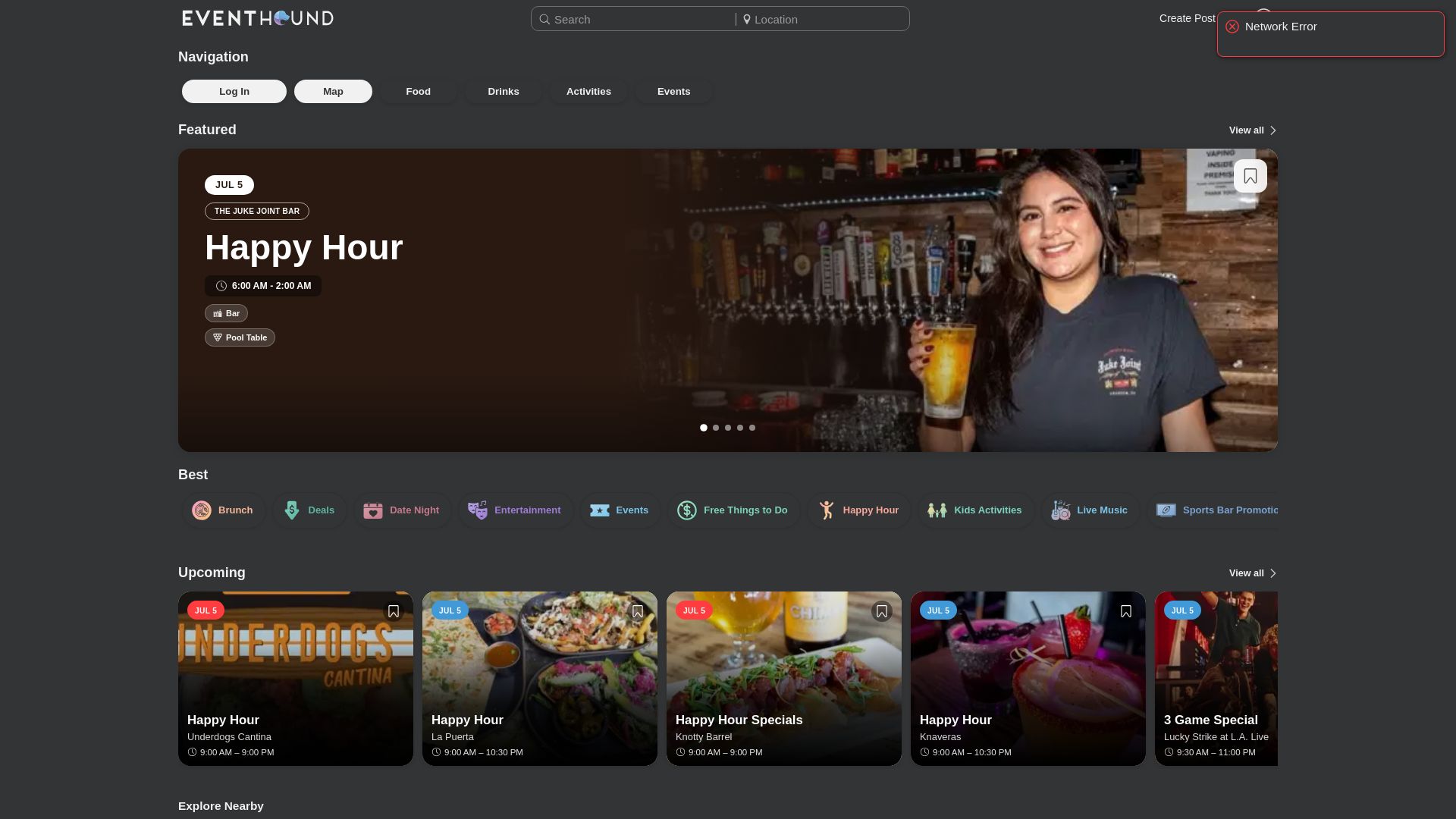
Eventhound is an AI-powered local discovery platform that puts your pop-up in front of people who are actively looking for things to do nearby. When you list your activation on Eventhound, it surfaces in personalized recommendations based on location, preferences, and real-time availability, so you are reaching an audience that is already in discovery mode, not just scrolling past an ad. You can list your event, add your venue details, and start driving local foot traffic without a big paid media budget. For local online marketplace coordination and payment reliability, pairing your listing with a partner like SoCal Sights can extend your reach further. List your pop-up on Eventhound today and connect with the local audience your activation deserves.
Sources
- Creative Pop Up Event Ideas That Leave a Lasting …
- Pop-up Events- The Complete Guide to Planning Them
- Retail Pop-up Shop Statistics (2026): Sales Data Analysis
- Pop-Up Events: Everything You Need to Know in 2026 | Cvent Blog
- How To Host A Pop Up Event: Steps