Local Influencer Marketing: A Practical Playbook
Local Influencer Marketing: A Practical Playbook
TL;DR:
- Prioritizing proximity and building ongoing creator activity lead to faster local business results than follower count or one-off posts.
- Consistent mentions from nearby creators with genuine engagement establish trust and convert attention into visits effectively.
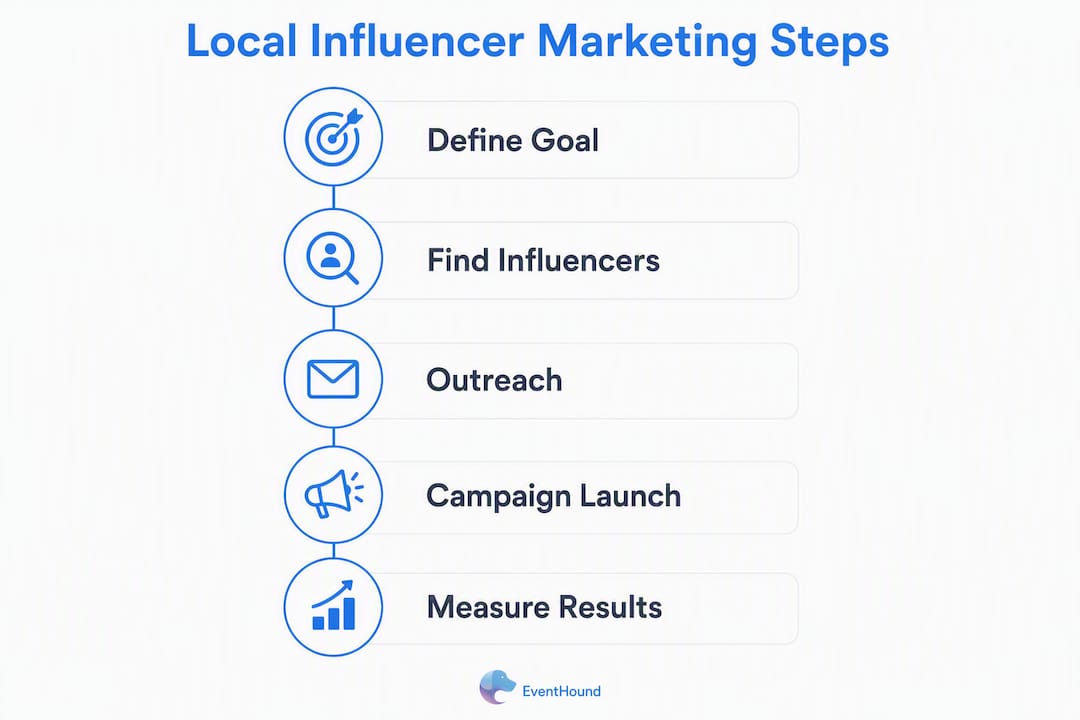
Local influencer marketing drives foot traffic and bookings fastest when you prioritize proximity over follower count, commit to one clear KPI, and build repeat creator activity rather than betting on a single post. Here is the starter plan you can run this week:
- Step 1: Audit your own followers and tagged photos on Instagram, TikTok, and Google Maps. Find 3 neighborhood creators who already mention your business or the local scene around it. These are your warmest prospects.
- Step 2: Pick exactly one primary KPI before you contact anyone. Reservations, appointment bookings, or promo code redemptions all work. One number keeps the campaign honest.
- Step 3: Run a 4-week pilot. Ask 2–3 creators for 2–3 posts each, give each a unique promo code or a dedicated landing page, and measure at the end of the month.
Bookmark that list. Everything below explains how to execute each step well.
Table of Contents
- What counts as a local influencer?
- Why local influencer marketing outperforms broad campaigns
- How do you find local influencers without expensive tools?
- How to evaluate and pick the right local influencer
- Campaign types, timelines, and what they cost
- How do you measure a local influencer campaign?
- FTC disclosure requirements every local brand needs to know
- Real local campaign examples worth copying
- Key Takeaways
- What most local influencer campaigns get wrong
- Eventhound helps you turn creator traffic into real bookings
- Useful sources and tools
What counts as a local influencer?
The term gets used loosely, so a working definition helps. A local influencer is a creator whose audience is geographically concentrated in the same market where your business operates, and whose content regularly covers places, people, or experiences in that area. Follower count is secondary. A food blogger with 2,400 followers, 80% of whom live within 15 miles of your restaurant, is more valuable to you than a lifestyle creator with 50,000 followers spread across six states.
Four practical categories cover most of what local businesses encounter:
Neighborhood creators. These are people who post consistently about life in a specific city or zip code: restaurant visits, weekend activities, local events. Their content is inherently place-based, which means their audience already has the intent to act locally.
Niche local reviewers. Think the person who has reviewed every taco spot in Austin, or the fitness enthusiast who covers every new gym opening in their borough. Their niche gives them credibility; their geography gives you reach where it counts.
Community organizers and civic figures. PTA leaders, neighborhood association chairs, local podcast hosts, and chamber of commerce members often have smaller but extraordinarily loyal followings. Their recommendation carries the weight of a trusted neighbor.
Customer-advocates. Regulars who already tag your business, leave detailed Google reviews, or post unprompted Stories are the most underused category. They already believe in you. Formalizing that relationship costs almost nothing and converts at a high rate because their content reads as genuine, not sponsored.
The nano (1K–10K followers) and micro (10K–100K followers) labels are useful shorthand, but micro-influencer campaigns for local businesses work best when you filter by audience location first and follower count second. A creator with 6,000 followers, all local, beats one with 40,000 followers scattered nationally every time.
Why local influencer marketing outperforms broad campaigns
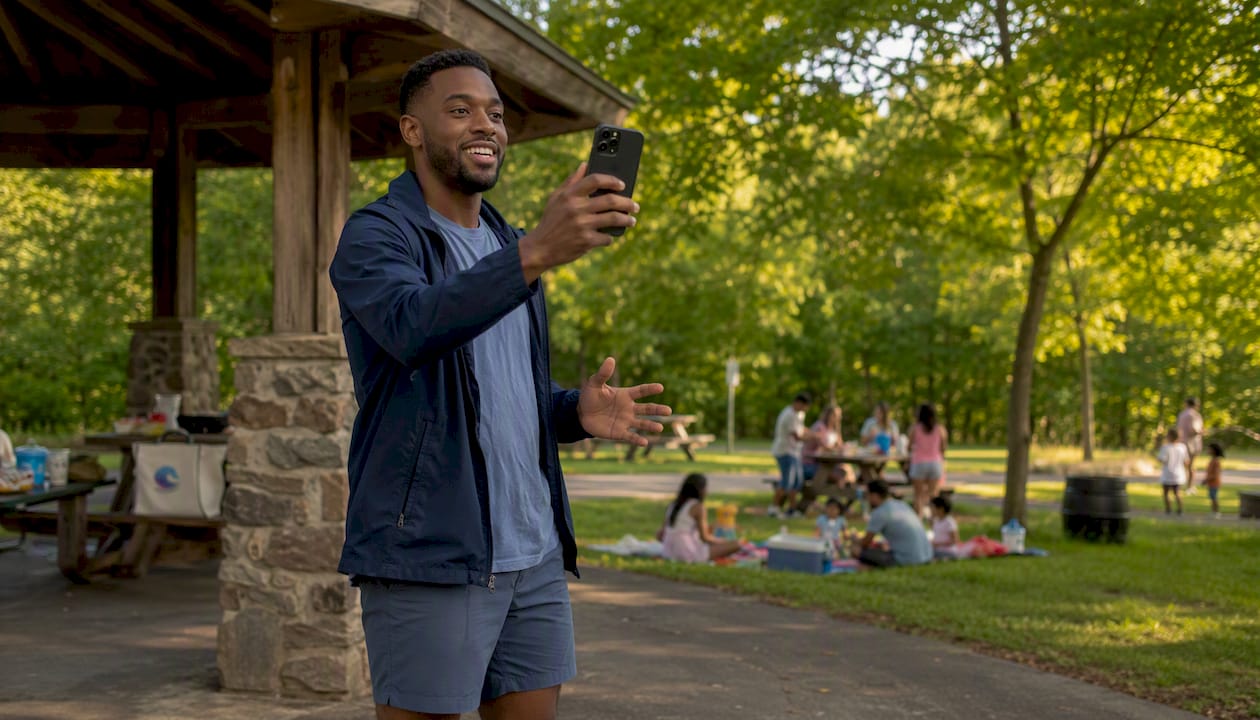
Proximity and trust convert attention into visits faster than mass reach. That is the core mechanic, and it explains why a neighborhood creator’s post about your happy hour special drives more actual bar stools than a sponsored post from a national lifestyle account with ten times the following.
Three reasons drive this:
Trusted recommendations carry local context. When someone your audience already follows says “I was just at this place on Fifth Street and the patio is worth it,” that recommendation comes with geographic specificity and social proof. The viewer can picture the location, check the distance, and act the same evening.
Content maps directly to offline actions. A local creator’s post naturally includes the neighborhood name, nearby landmarks, and often a tag to the business’s location page. That context makes it easy for viewers to get directions, make a reservation, or look up hours, all within the same scroll session.
Repeat mentions build compounding trust. One post creates awareness. Three posts from the same creator, spread over a few weeks, builds the kind of familiarity that makes a first-time visit feel low-risk. Local campaigns that prioritize geography and repeat creator activity consistently outperform one-off posts aimed at raw reach.
Stat to know: Industry analysis shows locally targeted influencer campaigns regularly deliver higher engagement rates than nationally scaled equivalents, with some local campaigns reporting ROI multiples that broad campaigns rarely approach.
Pro Tip: Schedule at least three creator touchpoints over a 4–6 week window rather than a single post. The first mention plants the seed; the second creates recognition; the third drives the visit. This “power of proximity” pattern is what separates campaigns that fill tables from those that just generate likes.
How do you find local influencers without expensive tools?
Start with what you already have, then expand outward. This sequence works for most local businesses and costs nothing but time.
The discovery sequence
- Audit your own followers and tags. On Instagram and TikTok, check who has tagged your location or @mentioned your account in the last 90 days. On Google Maps, read your recent photo contributors. These people already know you.
- Search local hashtags and geotags. On Instagram, search
#[yourcityname]eats,#[neighborhood]life, or your city’s event hashtags. On TikTok, use the location filter in search. Look for creators posting consistently (at least 2–3 times per week) with real comments, not just emoji reactions. - Check community Facebook groups and Nextdoor. Local food groups, neighborhood recommendation threads, and “best of” posts surface active community voices who may not think of themselves as influencers but have real local pull.
- Attend local events and chamber lists. Food festivals, farmers markets, and chamber networking events put you in the same room as community creators. A conversation in person converts to a collaboration far faster than a cold DM.
- Use lightweight platform filters. Tools like AspireIQ, Modash, and Creator.co let you filter by city and category without enterprise pricing. For most small businesses, the first four steps above will surface enough candidates before you need to pay for a platform.
Platform priorities by vertical
- Restaurants and bars: Instagram (Stories frequency and tagged location posts), TikTok (food and “what I ate” content), and Google Maps (photo contributors and reviewers).
- Fitness, wellness, and service businesses: Instagram Reels, YouTube Shorts, and local Facebook groups where members ask for recommendations.
- Events and entertainment: TikTok (event previews and recaps), Instagram Stories, and local Twitter/X accounts that cover nightlife or community happenings.
First outreach: what to say
Engage with the creator’s content for a few days before reaching out. Like and comment genuinely. Then send a short DM or email referencing a specific post:
Keep it under five sentences. Creators get long pitches constantly. A specific reference to their actual content and a clear, low-commitment offer gets replies.

How to evaluate and pick the right local influencer
Raw follower counts are the last thing to look at. Start with local audience alignment, then work through the checklist below before making any offer.
Evaluation checklist
- Audience location: Ask for a screenshot of their Instagram or TikTok audience insights showing top cities. If fewer than 40% of their audience is in your metro, move on.
- Engagement quality: Scroll the last 10 posts. Are comments specific and conversational (“I went here last month, the patio is great”)? Or generic (“🔥🔥🔥”)? Specific comments signal a real, attentive audience.
- Content fit: Does their aesthetic match your brand? A fine-dining restaurant and a creator who posts exclusively fast-casual content are a mismatch even if the geography lines up.
- Posting frequency: Creators who post fewer than 3 times per week on their primary platform often have inconsistent reach. Consistent posting keeps audiences engaged and algorithms happy.
- Commercial history: Check if they have worked with other local businesses. A few past collaborations signal professionalism. Dozens of back-to-back sponsored posts in a short window suggest an audience that has learned to scroll past ads.
Candidate scorecard
Use this table to score each candidate from 1–5 on each dimension before making a decision.
| Dimension | What to look for | Score (1–5) |
|---|---|---|
| Audience alignment | 40%+ of followers in your metro | — |
| Engagement rate | Specific comments, saves, and shares | — |
| Content quality | Visual style and tone match your brand | — |
| Posting frequency | 3+ posts per week on primary platform | — |
| Commercial history | Some past brand work, not oversaturated | — |
| Availability | Open to events, ongoing programs, or short-term pilots | — |
Vetting questions to ask before contracting
- “Can you share a screenshot of your top audience cities from the last 30 days?”
- “What’s your average reach per post on [platform]?”
- “Have you worked with any local restaurants or service businesses before? Can you share an example?”
- “Are you open to a 4-week pilot before we discuss a longer arrangement?”
A creator who hesitates on the audience-location question is a red flag. That data takes 30 seconds to pull, and transparency about it is a basic professional standard.
Campaign types, timelines, and what they cost
Choose the campaign format that matches your goal. Awareness campaigns need more posts and broader reach; direct-response campaigns need promo codes and dedicated landing pages. Here are four formats that work for local businesses.
| Campaign type | Timeline | Cost shape | Best for | How to measure |
|---|---|---|---|---|
| Single-visit review | 1–2 weeks | Free experience + $50 fee | New menu items, grand openings | Promo code redemptions, reservation spike |
| 2–3 post event flight | 2–4 weeks | — | Event promotion, seasonal specials | Ticket sales, RSVP page visits, UTM traffic |
| 4-month ambassador program | 4–6 weeks | — | Brand awareness, loyalty building | Monthly foot traffic, branded search lift |
| Creator-hosted giveaway | 1 week | Prize cost + $100 fee | Rapid follower growth, event attendance | Entry count, RSVP conversions |
On budgets: These ranges reflect what small local businesses typically pay nano and micro creators in the U.S. A creator with 5,000 highly local followers and strong engagement is often willing to work for a free experience plus a modest fee, especially for a first collaboration. As the relationship matures and you can show them their content performed well, the conversation about compensation becomes easier.
On negotiation: Lead with the experience, not the money. Offer a genuine, shareable visit first. If the creator posts organically and the content performs, you have proof of value before you discuss a paid arrangement. Many of the best local partnerships start as organic visits that the business formalizes after seeing the results.
For event-specific campaigns, pairing the creator’s posts with a dedicated RSVP or reservation page gives you clean attribution. Eventhound’s event listing tools let you create that kind of dedicated page quickly, which is useful when you want to track exactly how many bookings came from a specific creator’s audience.
How do you measure a local influencer campaign?
Pick one primary KPI before the campaign starts, and do not change it mid-flight. The most practical options for local businesses are reservations made, promo code redemptions, or appointment bookings. Everything else is a supporting metric.
Tracking setup in three steps
- Create a unique promo code per creator. “MARIA10” and “JAVIER10” let you attribute redemptions directly to each creator without any technical setup. This works at POS, online checkout, and reservation systems.
- Build a dedicated landing page or UTM link. A page like
yourbusiness.com/mariaor a UTM-tagged link (?utm_source=instagram&utm_medium=influencer&utm_campaign=maria) captures traffic from each creator’s bio link or Stories swipe-up. Pair that page with email capture to retain visitors who don’t convert on the first visit. - Ask at point of sale. “How did you hear about us?” is still one of the most reliable offline attribution methods. Train your staff to ask it and log the answers for the first 30 days of a campaign.
Supporting metrics worth tracking
- UTM traffic to the dedicated landing page
- Branded search volume in Google Search Console (a spike during or after a campaign is a strong signal)
- Story views and saves on the creator’s posts (ask them to share insights at the end of the campaign)
- Reservation or booking volume compared to the same period in the prior month
Measurement window: Best practice is to measure for at least 90 days after a campaign ends. Local content, especially on TikTok and YouTube, has a long tail. A video posted in March can still drive visits in May.
For reporting, a simple weekly check (promo code count, UTM sessions, reservation volume) and a 30-day wrap-up comparing pre- and post-campaign numbers is enough for most small businesses. You do not need a dashboard. A shared spreadsheet with five columns works fine.
FTC disclosure requirements every local brand needs to know
Any material connection between your business and a creator must be clearly disclosed. That means free meals, free products, free experiences, and cash payments all require disclosure. The FTC’s endorsement rules apply to both the creator and the brand, and violations can carry civil penalties of up to $53,088 per violation as of 2026.
What “clear and conspicuous” actually means
Platform “paid partnership” tags are not enough on their own. The FTC’s guidance is explicit: disclosures must be in the same format as the endorsement (for example, on-screen and spoken in video), and platform tags alone may be insufficient. That means:
- In a video: on-screen text AND spoken aloud, near the beginning, not buried at the end.
- In a caption: plain language like
#ad,#sponsored, or “Brand paid me for this” placed near the start of the caption, not after the “more” cutoff. - In a Story: a visible text overlay, not a tiny hashtag in the corner.
- In a livestream: repeated verbally at regular intervals, not just once at the start.
Brand compliance checklist
- Include a written disclosure requirement in every creator brief and contract.
- Add a contract clause stating the creator is responsible for compliant disclosures on every piece of content.
- Build a pre-approval step: review content before it goes live to confirm the disclosure is visible and early.
- After content goes live, audit it within 24 hours. If the disclosure is missing or buried, ask the creator to edit or repost.
- Keep records: save screenshots of every post with its disclosure for at least two years.
Pro Tip: For Reels and TikToks longer than 60 seconds, ask creators to repeat the disclosure verbally at the 30-second mark in addition to the opening. Viewers who skip the first few seconds miss the initial disclosure entirely, and a mid-video mention keeps you covered.
Real local campaign examples worth copying
These three sketches represent realistic campaign structures, not invented case studies. The mechanics are what matter.
Restaurant reservation spike: the 48-hour creator series
Objective: Fill tables during a slow midweek period. KPI: Reservations made using a creator-specific promo code. What happened: A neighborhood restaurant invited two local food creators for complimentary dinners on a Tuesday and Wednesday. Each creator posted a same-day Story and a next-day Reel with a unique promo code for 15% off. The restaurant tracked code redemptions through its reservation system. Result format: Measurable lift in midweek reservations during the 7-day window following each post, with the majority of redemptions occurring within 48 hours of the Reel going live.
- What to copy: The 48-hour posting window after the visit captures peak audience intent. Give creators a clear deadline and a reason for their audience to act fast (limited availability or a time-bound offer).
Local service lead surge: the authentic day-in-the-life review
Objective: Generate appointment bookings for a new service offering. KPI: Appointment form submissions via a UTM-tagged landing page. What happened: A local wellness studio partnered with a neighborhood fitness creator who documented her full appointment experience across three Stories and one Reel. The bio link pointed to a dedicated booking page with a UTM parameter tied to the creator’s name. Result format: A measurable increase in booking page sessions and form submissions during the week the content was live, with a secondary tail of traffic over the following three weeks.
- What to copy: The day-in-the-life format works because it shows the experience, not just the product. Viewers can picture themselves in the chair, on the table, or in the class. That specificity drives clicks.
Event attendance lift: the creator-hosted giveaway
Objective: Sell tickets and drive RSVPs for a ticketed community event. KPI: RSVP page conversions tracked via a dedicated Eventhound event listing. What happened: A local bar hosting a ticketed trivia night gave a community creator two free tickets to give away. The creator posted a giveaway Reel asking followers to comment their favorite trivia category and follow the bar’s account. The RSVP link in the creator’s bio pointed to the event’s listing page. Result format: A spike in RSVP page visits and ticket sales during the 72-hour giveaway window, plus a measurable increase in the bar’s follower count.
- What to copy: Giveaways tied to a specific RSVP action (not just a follow) convert browsers into attendees. The comment mechanic also boosts algorithmic reach without any ad spend.
Key Takeaways
The single most effective move in local influencer marketing is picking one KPI before you contact any creator, then running at least three creator touchpoints over 4–6 weeks rather than a single post.
| Point | Details |
|---|---|
| Start with your own followers | Audit tagged photos and mentions first; customer-advocates convert better than cold-sourced creators. |
| Audience location beats follower count | Require a screenshot of top audience cities before contracting; aim for 40%+ in your metro. |
| One KPI, tracked from day one | Pick reservations, promo redemptions, or bookings; use unique codes and UTM links per creator. |
| Measure for at least 90 days | Local content has a long tail; a post from March can still drive visits in May. |
| Eventhound for event-driven campaigns | Use Eventhound to create a dedicated event listing or landing page that captures and attributes influencer-driven traffic directly. |
What most local influencer campaigns get wrong
The campaigns that fail share a pattern: one post, no tracking, and a creator whose audience lives three states away. It sounds obvious when you say it plainly, but it happens constantly because business owners move fast and skip the vetting step.
The operational fix is not complicated. Before you pay for any post, pull the creator’s audience insights and look at the top five cities. If your city is not in the top three, the campaign will generate impressions and almost no visits. That one check, which takes about two minutes, eliminates the most common reason local campaigns underperform.
The second failure mode is treating the creator relationship as transactional. A single sponsored post is an ad. Four posts from the same creator over four months is a recommendation from a trusted local voice. The difference in how audiences receive those two things is significant. Brands that build ongoing ambassador relationships, even informal ones, get compounding returns that one-off campaigns never produce.
On content approvals: give creators a clear brief (your key message, the disclosure requirement, the promo code, and the posting deadline) and then step back. Over-directing kills the authenticity that made the creator worth hiring. If their aesthetic does not match your brand, that is a vetting problem to solve before the contract, not a brief problem to solve after it.
Finally, feed creator content into your own channels. Repost it to your Stories, embed it on your website, and use it in email campaigns. A creator’s post has a natural lifespan of 24–72 hours on most platforms. Repurposing it into your owned channels and event listings extends that lifespan significantly and gives you content that performs without additional creator fees.
Eventhound helps you turn creator traffic into real bookings
Most local businesses run a solid influencer campaign and then lose the traffic because there is nowhere specific to send it. A generic homepage does not convert a viewer who just watched a creator rave about your Tuesday night trivia. A dedicated landing page does.
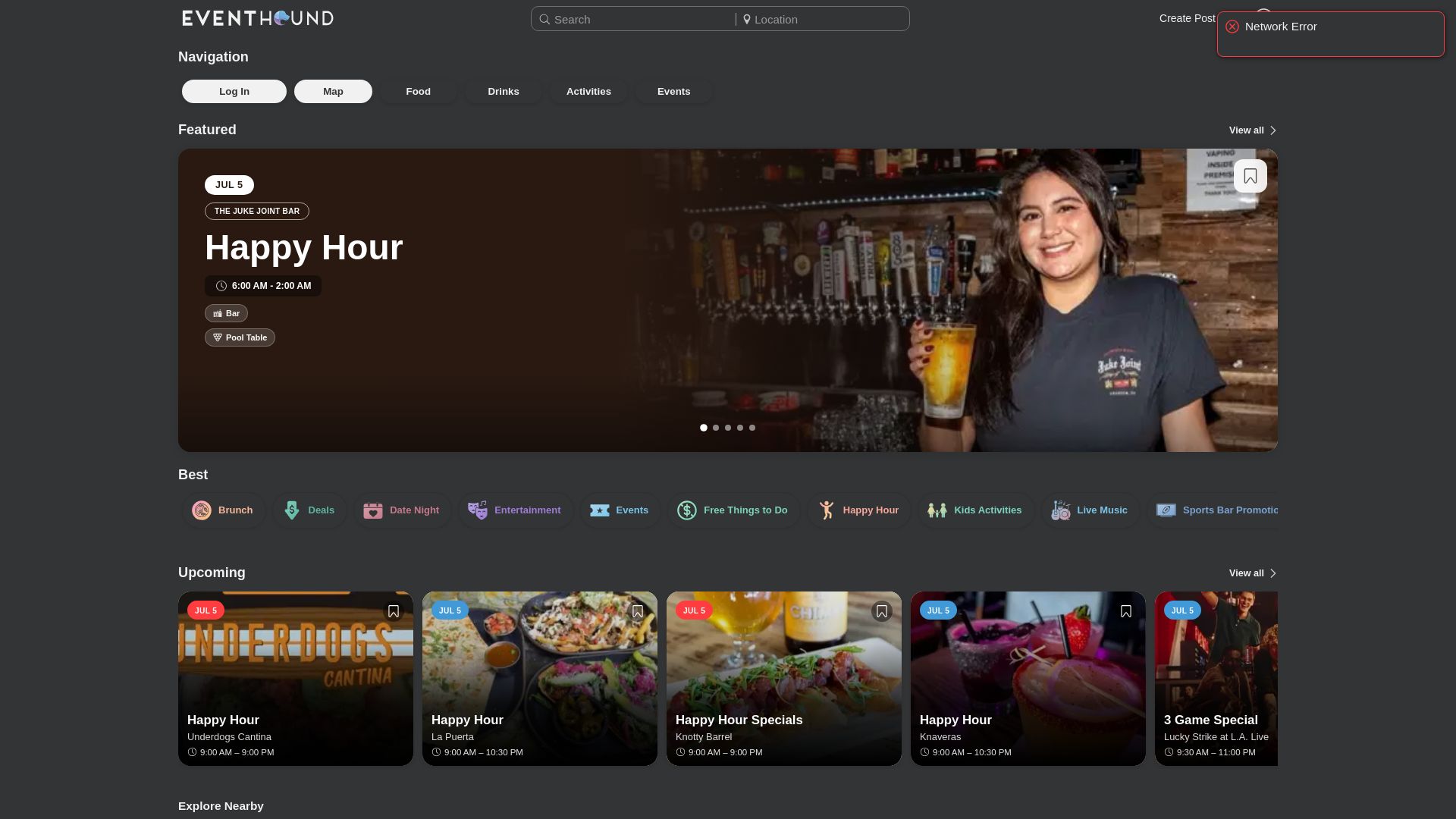
Eventhound is built for exactly this situation. You can create a dedicated event or offer listing in minutes, share that link with your creators as the single destination for their bio links and Stories, and track how many people click through and engage. The platform’s AI-powered discovery tools also surface your listing to local users who are actively searching for things to do nearby, which means your creator-driven traffic gets amplified by organic local discovery at the same time.
A small restaurant running a creator-driven reservation campaign, for example, can list the promotion on Eventhound, give each creator a unique tracking link to that listing, and watch redemptions roll in from both the creator’s audience and Eventhound’s own local discovery users. Two traffic sources, one landing page, clean attribution.
List your business on Eventhound and create your first campaign landing page today.
Useful sources and tools
- FTC Disclosures 101 for Social Media Influencers: The FTC’s plain-language guide for creators and brands on when and how to disclose material connections.
- FTC Endorsements, Influencers, and Reviews: The full FTC resource hub covering the 2023 revised Endorsement Guides, consumer review rules, and compliance checklists.
- FTC Endorsement Guides: What People Are Asking: Q&A format guidance on specific disclosure scenarios, including platform tags and video disclosures.
- American Press Institute: Mapping Your Local Influencer Landscape: A practical framework for identifying and categorizing local voices, useful for discovery and vetting.
- SCORE: How to Use Influencer Marketing to Boost Sales at Your Local Business: Free, practical guidance from SCORE mentors on running influencer campaigns for small local businesses.
- UTM tracking: Google’s Campaign URL Builder (free) lets you create unique UTM links for each creator in minutes.
- Promo code tracking: Most POS systems (Square, Toast, Lightspeed) support unique promo codes with redemption reporting built in.
- Eventhound: Create a business listing or event page to build a dedicated landing page for creator-driven traffic and track local discovery attribution.
This article is general informational guidance, not legal advice. For binding compliance questions about FTC disclosure requirements, consult a qualified attorney and review the FTC’s primary guidance directly.