Last Minute Events: Find Them or Plan One Fast
Last Minute Events: Find Them or Plan One Fast

TL;DR:
- Attendees can quickly find last-minute events using real-time discovery apps like Eventhound filtered by today’s date and location. Organizers should prioritize locking a venue early, confirm core content fast, and use digital invites with strict RSVP deadlines for efficient event setup. Success relies on acting on the highest-leverage decisions first, simplifying logistics, and leveraging local channels for rapid promotion.
For attendees, the fastest move is opening a real-time local discovery app and filtering by today’s date and your zip code. For organizers, it’s locking a venue in the next two hours before anything else.
- Attendees: Search Eventhound right now, filter by “today,” and pick something within five miles. Most listings show real-time availability.
- Organizers: Call three nearby venues before noon. One will have a cancellation. Everything else builds from that confirmation.
Table of Contents
- Where can you find last-minute events happening right now?
- How do you score last-minute tickets without getting burned?
- How do you organize a last-minute event that actually looks polished?
- What does “last minute” actually mean, and what will it cost you?
- Which event types work best on a short timeline?
- What permits and legal requirements apply to last-minute events?
- How do you handle contingencies when time is short?
- How do you promote a last-minute event fast?
- How do you manage the budget when everything costs more last minute?
- Key Takeaways
- The part most people get wrong about last-minute events
- Eventhound makes last-minute discovery and promotion simple
- Selected sources and further reading
Where can you find last-minute events happening right now?
The fastest channels are not equal. Real-time discovery apps surface the most options in the least time, but knowing which secondary channels to hit when an app comes up short saves you from dead ends.
Real-time apps and platforms are your first stop. Eventhound’s AI filters by location, event type, and time of day, so you’re not scrolling through events three weeks out. Set your radius tight (two to five miles), pick “today” or “tonight,” and you’ll see what’s actually available. For ticketed concerts or sports, check the venue’s own website directly since some hold back day-of inventory that never hits third-party apps.
Social channels move fast. Instagram Stories from local bars, restaurants, and venues often announce same-day pop-ups, happy hours, and open mic nights hours before they happen. Twitter/X local search (filter by location, past hour) surfaces spontaneous events that haven’t made it to any calendar yet. Community Facebook groups and neighborhood apps like Nextdoor are underrated for genuinely local, walkable events.
Local calendars and community boards fill in the gaps. University event pages, city parks and recreation sites, and local library event boards regularly list free or low-cost same-day activities that don’t show up in mainstream apps. Bar and restaurant websites often post weekly specials and live music schedules that are accurate to the day.
Walk-up events require zero advance planning. Pub quizzes, open mic nights, farmers markets, and food truck rallies almost always welcome walk-ins. These are the lowest-friction spontaneous things to do when you want out of the house in under an hour.
Pro Tip: Use Eventhound to discover what’s happening, then call the venue box office directly to confirm availability before you head out. A 60-second phone call eliminates the risk of showing up to a sold-out room.
How do you score last-minute tickets without getting burned?
Same-day ticket buying has real risks, but the tactics that work are straightforward once you know them.
Box office windows are the most underused resource. Many venues hold a percentage of tickets for day-of walk-up sales, especially for theater, comedy, and smaller concerts. Call ahead, ask specifically about day-of availability, and get a name. That call takes two minutes and beats refreshing a resale app for an hour.
Mobile-only deals are common for events with soft sales. Venue apps and email newsletters frequently push flash discounts in the 24 hours before an event. Sign up for newsletters from your three or four favorite local venues. The discount codes land in your inbox and nowhere else.
Resale markets can work, but verify before you buy. Check seller ratings, look for photos of the actual tickets or seat confirmation screens, and use platforms that offer buyer guarantees. Pay with a credit card, not a wire transfer or peer-to-peer app with no recourse. If a price looks too good for a sold-out show, it probably is.
- Confirm the ticket is transferable under the venue’s policy before purchasing from a resale seller.
- Check the event’s ID requirements. Some venues require the original purchaser’s ID at the door, which makes resale tickets worthless.
- Set price alerts on resale platforms for events you’re watching. Prices often drop in the final two to three hours before showtime as sellers panic.
Pro Tip: When calling a box office, say: “I know it’s last minute, but do you have any day-of holds or returns available? I can be there in 30 minutes.” That framing signals you’re a serious buyer, not a tire-kicker, and staff often check inventory they wouldn’t otherwise mention.
How do you organize a last-minute event that actually looks polished?
The secret is not doing less. It’s doing the right six things in the right order. Practical last-minute planning guides consistently point to the same principle: lock the non-negotiables first and simplify everything else.
-
Lock the venue (hours 0–6). Call three to five venues before anything else. Ask about cancellations, off-peak slots, and minimum spend rather than rental fees. Confirm capacity, parking, and whether you need a permit for your headcount. A private room at a restaurant often requires no permit and comes with built-in catering.
-
Secure core content (same day or within 24 hours). One confirmed speaker, performer, or activity anchor is enough. A micro-gig with a single musician and a curated playlist between sets is a complete program. Confirm in writing, even a text thread, and get a backup contact number.
-
Simplify catering. Food trucks, pre-ordered platters from a nearby restaurant, or a venue’s standard package are all faster than custom catering. Pick one dietary accommodation (vegetarian) and communicate it clearly. Digital tools like pre-order apps from local restaurants can cut coordination time significantly.
-
Send fast invites with a hard RSVP deadline. A digital invite via text or email with a QR code for check-in is faster to build and easier for guests than printed tickets. Set the RSVP deadline at least two hours before the event so you have a headcount for catering and seating.
-
Run a tech check. If you’re using a microphone, projector, or streaming setup, test it 48–72 hours out when possible. If that’s not possible, arrive 90 minutes early and run through everything before guests arrive. Assign one person as the day-of tech point of contact.
-
Staff and delegate. Brief every volunteer or staff member with a one-page contact sheet: their role, their backup, and the two or three decisions they’re empowered to make without asking you. This is what separates a chaotic last-minute event from one that feels planned.
Pro Tip: Apply the 80/20 rule to your limited time. Spend most of your effort on core content, speaker reliability, and tech stability. A single uplighting setup or a well-curated playlist can transform the feel of a bare room in under 20 minutes.
Timeline callout: “Same day” means you have 6–12 hours. “Last minute” in most planning contexts means 1–7 days. Under two weeks is a compressed timeline but allows for most vendor coordination. Professional planners treat anything under two weeks as a premium service tier.
What does “last minute” actually mean, and what will it cost you?
Merriam-Webster defines “last minute” as “the time just preceding a deadline or when decisive action must be taken.” In event planning, that translates to four practical bands:
- Same day (0–12 hours): Feasible for walk-up events, casual gatherings, and virtual meetups. Venue options are limited to what’s already open.
- 1–3 days: You can confirm a venue, a performer, and digital invites. Catering requires pre-orders or food trucks.
- 4–7 days: Most vendor categories are accessible. Expect premium pricing on AV, catering, and staffing.
- Under two weeks: Full event possible, but short lead times are increasingly common across the industry, and many vendors now price accordingly, making it important to plan a contingency buffer into your event budget.
Cost drivers to expect: Venue premiums for last-minute bookings, expedited delivery fees for printed materials, overtime rates for AV and staffing, and higher travel costs if speakers or performers need same-day transportation. Budget a contingency above your initial estimate specifically for compressed-timeline surprises.
When it’s cheaper to go last minute: free community events, walk-up venues with no minimum spend, and virtual events with no physical logistics. When it’s more expensive: anything requiring permits, licensed vendors, or specialized AV.
Which event types work best on a short timeline?
Some formats are practically built for spontaneous execution. Others will punish you for trying.
Pop-up events are the gold standard for last-minute execution. A pop-up happy hour, art show, or tasting requires a willing venue, a few vendors, and a social media post. The informal nature is part of the appeal.
Happy hours and bar nights need almost no lead time. A venue, a drink special, and a text blast to 50 people is a complete event. These work because the format is familiar and expectations are calibrated.
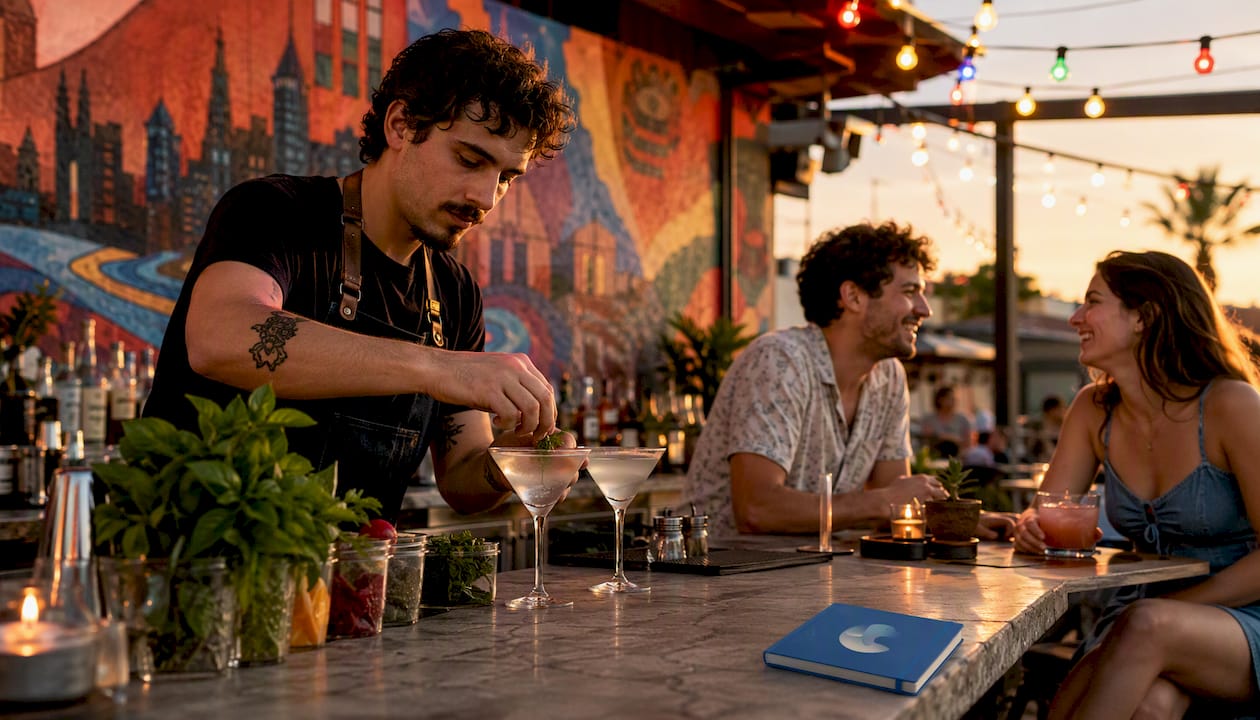
Micro-gigs and open mic nights scale down beautifully. One performer, a basic PA system, and a bar tab covers the experience. Many musicians and comedians take last-minute bookings at standard rates because it fills their calendar.
Virtual webinars and online meetups have the lowest logistical floor. A Zoom link, a topic, and a LinkedIn post can fill a 30-person session in 48 hours. No venue, no catering, no permits.
Networking meetups and casual community events thrive on informality. A coffee shop, a park, or a co-working space common area works fine. The content is the people, not the production.
Avoid last-minute execution for: large galas, multi-speaker conferences, events requiring liquor licenses or public assembly permits, and anything with major AV requirements. These formats have too many interdependencies to compress safely.
What permits and legal requirements apply to last-minute events?
Skipping the permit question is the fastest way to have your event shut down. Requirements vary by city, venue type, and headcount, but a few rules apply broadly across the US.
Public spaces almost always require a permit. Parks, plazas, and sidewalks fall under city or county jurisdiction. Many municipalities offer expedited permit processing, but “expedited” usually means 48–72 hours, not same day. Check your city’s parks and recreation department website first.
Alcohol service requires a license. If you’re serving alcohol at a venue that doesn’t already hold a liquor license, you need a temporary event permit. In most states, these require at least 10–14 days of advance notice. Hosting at a licensed bar or restaurant sidesteps this entirely.
Noise ordinances and curfews apply to outdoor events and amplified music. Know your city’s decibel limits and cutoff times before booking a band or PA system.
Private venues (restaurants, co-working spaces, private clubs) handle most of their own compliance, which is why they’re the fastest path for last-minute organizers. Confirm with the venue manager what’s covered under their existing permits.
How do you handle contingencies when time is short?
The biggest risk in a compressed timeline isn’t what goes wrong. It’s not having a decision-maker available when it does.
Assign one person as the day-of authority before the event starts. That person has the contact sheet, the vendor numbers, and the power to make calls without a committee. Running logistics, content, and promotion as parallel workstreams, with a brief daily check-in to surface blockers, keeps a last-minute event from collapsing into a single-threaded panic.

Build a short list of fallbacks for your three highest-risk elements: venue (a backup location within walking distance), catering (a nearby restaurant that delivers), and tech (a personal hotspot and a backup laptop). Write these down. A contingency plan you haven’t written is just a wish.
Weather is the most common outdoor event killer. Have an indoor fallback confirmed before you send invites, not after the forecast turns.
How do you promote a last-minute event fast?
Speed and specificity beat polish every time for same-day or short-notice promotion.
Text and direct messaging outperform email for same-day events. A personal text to 20 people who are likely to come generates more RSVPs than a mass email to 200. Start with your most engaged contacts.
Social media stories (Instagram, Facebook) are built for urgency. Post a story with the event details, a location tag, and a clear call to action. Stories disappear in 24 hours, which actually works in your favor for last-minute events since the format signals immediacy.
Community channels like neighborhood Facebook groups, Nextdoor, and local subreddits reach people who are already looking for spontaneous things to do. A single post in the right group can fill a 50-person event in hours.
Eventhound listings put your event in front of people actively searching for what’s happening now in your area. Listing a same-day event takes minutes, and the platform’s AI surfaces it to users filtering by location and date.
For any promotion, lead with the most compelling detail first: the act, the deal, or the experience. “Free tasting tonight, 7 PM, downtown” outperforms “Join us for an evening of wine exploration.”
How do you manage the budget when everything costs more last minute?
The core discipline is separating fixed costs from variable ones before you spend anything.
Fixed costs (venue minimum, performer fee, permit) are non-negotiable once confirmed. Lock these first and build everything else around what’s left. Variable costs (décor, printed materials, extra staffing) are where you find savings.
Cut production, not experience. Guests remember the conversation, the food, and the energy. They don’t remember whether the centerpieces were custom or from a grocery store. Spend on the bar and the sound. Cut the printed programs.
Negotiate openly. Vendors who have availability on short notice often prefer a confirmed booking at a slight discount over an empty calendar. Ask directly: “I know this is last minute. Is there flexibility on the rate for a confirmed booking today?” Many will say yes.
Reuse and borrow. Lighting equipment, tablecloths, and AV gear from a colleague or a local event rental company can be sourced in hours. Buying new for a one-day event is almost never worth it.
Track every expense in a shared spreadsheet from the first call. Last-minute events have a way of accumulating small costs that add up fast, and you won’t remember them all at the end of the day.
Key Takeaways
Finding or pulling off a last-minute event comes down to one discipline: act on the highest-leverage move first and simplify everything else.
| Point | Details |
|---|---|
| Search real-time first | Use Eventhound or a venue’s own site filtered by today’s date to find same-day events fast. |
| Box office beats resale | Call the venue directly for day-of holds before paying resale premiums or risking fraud. |
| Lock venue before anything | Organizers should confirm a space in the first six hours; everything else builds from that. |
| Budget a contingency buffer | Compressed timelines reliably add costs; build the contingency in before you commit. |
| Eventhound for discovery and promotion | Attendees search by location and date; organizers list same-day events in minutes at Eventhound. |
The part most people get wrong about last-minute events
The conventional wisdom says last-minute events are inherently lower quality. That’s not quite right. What they are is less forgiving of the wrong priorities.
Most people who struggle with a compressed timeline spend the first two hours on things that don’t matter: the invite design, the hashtag, the décor concept. The venue is still unconfirmed. The performer hasn’t replied. The tech hasn’t been tested. By the time those things get addressed, there’s no time left to fix them.
The organizers who pull off genuinely good last-minute events do one thing differently: they treat the first decision as the only decision that matters right now. Venue confirmed? Move to content. Content confirmed? Move to invites. Everything else is noise until the critical path is clear.
The same logic applies to attendees. The best spontaneous nights out rarely come from extensive research. They come from picking the first thing that sounds good and going. Eventhound’s local filters make that first pick faster and more reliable, but the move is still the same: decide, then go.
Eventhound makes last-minute discovery and promotion simple
Whether you’re trying to fill a Friday night or fill a room, the gap between “I want to do something” and “I’m actually doing it” is almost always a search problem.
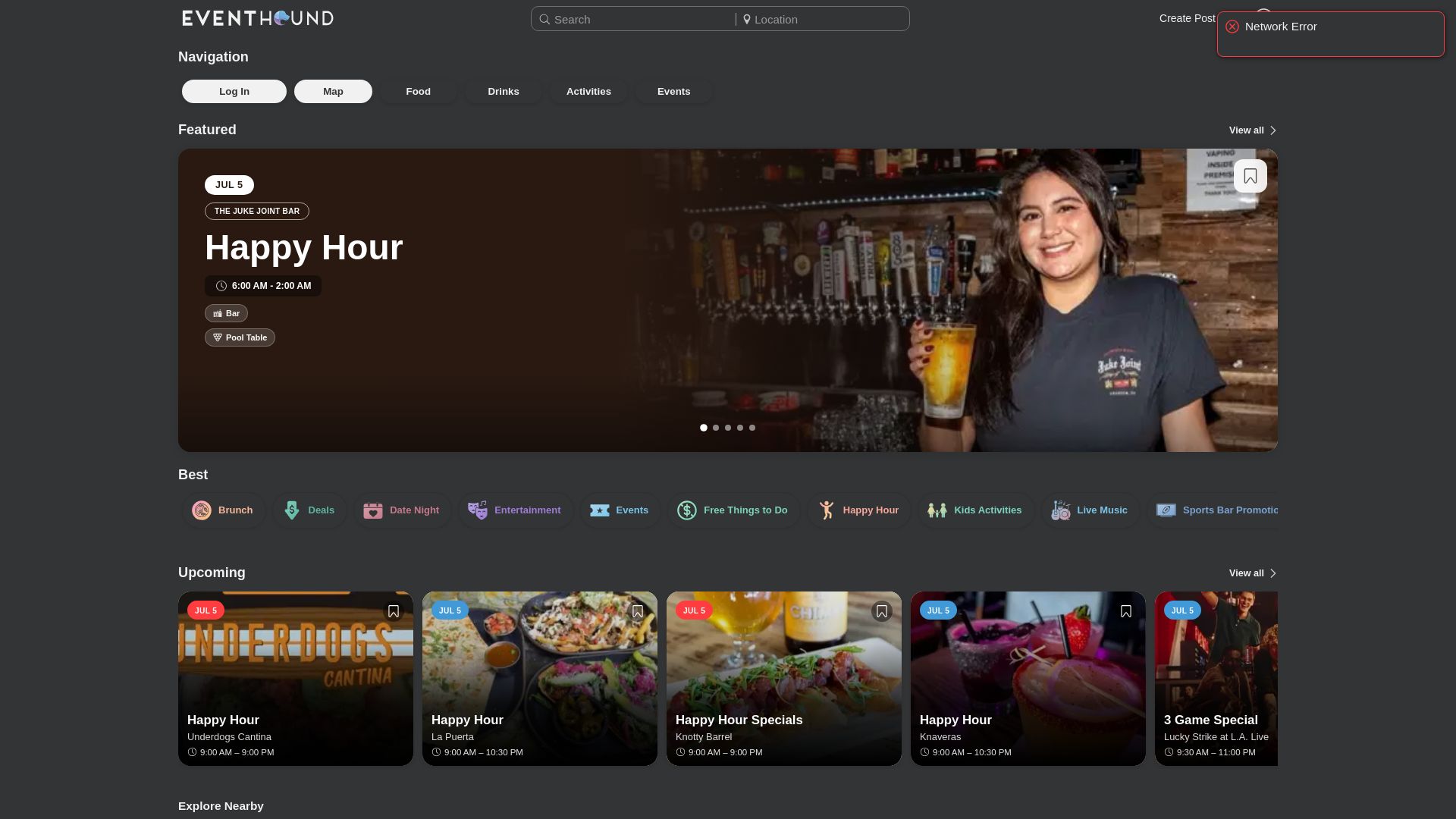
Eventhound’s AI-powered search surfaces live music, happy hours, pop-ups, and community events near you, filtered by location, time, and preference. No scrolling through events three weeks out. No guessing what’s still available. For organizers, listing a same-day or next-day event takes a few minutes, and the platform puts it in front of people actively looking for something to do right now in your area.
See how it works and either search for tonight’s options or get your event listed before the window closes.
Selected sources and further reading
A short list of the sources and tools referenced in this article, useful for local publishers, community organizations, and event planners who want to verify claims or go deeper.
- 9 Strategies for Last-Minute Event Planning — MPI: Industry guidance on premium pricing, boundary-setting, and professional frameworks for compressed timelines.
- Merriam-Webster: “Last Minute”: Standard definition used throughout the article’s timeline framing.
- Eventhound AI: AI-powered local event discovery with real-time filters by location, date, and preference.
- Eventhound — How It Works: Platform overview for organizers who want to list events and reach local audiences quickly.